

Blog
DC Electric Car Chargers: Fast Charging Stations for EVs from 50kW to 150kW

DC Electric Car Chargers: Fast Charging Stations for EVs from 50kW to 150kW
Picture this: You’re on a road trip in your electric vehicle, battery dipping low, and you spot a sleek DC electric car charger station ahead. In under 30 minutes, you’re back on the highway with enough range to reach your destination. That’s the power of DC EV chargers—they’re the game-changers for anyone who can’t afford to wait hours for a full charge. In 2026, with EV adoption skyrocketing, these EV DC fast chargers are everywhere, from highway rest stops to urban parking lots, delivering speeds that make owning an EV as convenient as filling up a gas tank.
This guide breaks down everything about DC charger EV systems in the 50kW to 150kW range, focusing on reliable options for home, commercial, and public use. We’ll spotlight models like Eaton’s compact units, Delta’s efficient chargers, and even innovative solar-integrated ones like EGbatt’s for off-grid twists. Drawing from the latest reviews and market data, we’ll help you choose the right 150kW charging station or lower-power fast charger to fit your needs. Let’s plug in and explore how these beasts work, why they’re essential, and which ones top the charts.
What Is a DC Electric Car Charger?
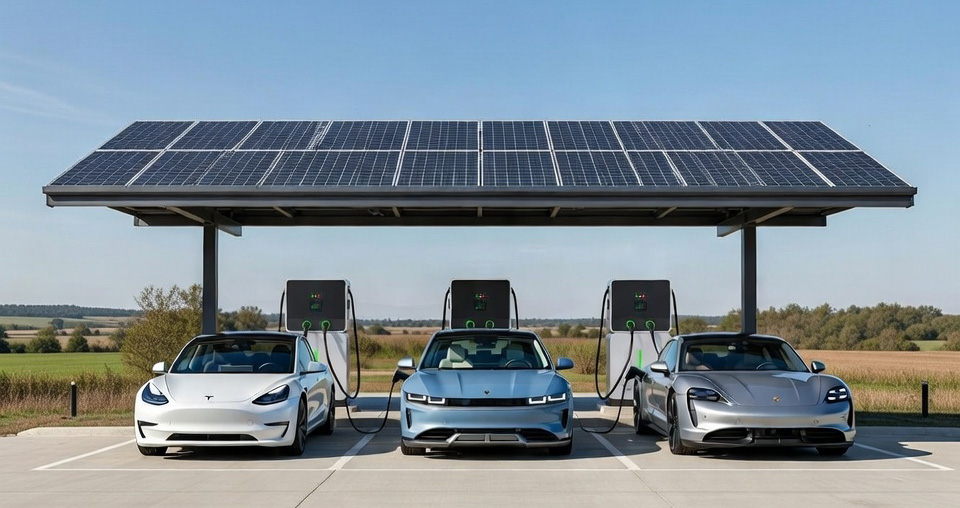
A DC electric car charger, often called a Level 3 or EV DC fast charger, skips the slow AC conversion process and pumps direct current (DC) straight into your EV’s battery. This allows for much higher power delivery—starting at 50kW and going up to 150kW in the models we’re covering—adding 100-300 miles of range in just 20-40 minutes, depending on your vehicle.
Unlike Level 2 chargers (up to 19kW, common at home), DC charger EV stations are built for quick stops. They’re typically found at public spots but are increasingly installed in commercial fleets or even high-end homes with robust electrical setups. Key features include CCS (Combined Charging System) or CHAdeMO connectors, OCPP (Open Charge Point Protocol) for backend management, and smart apps for monitoring. In 2026, brands are pushing for more affordable, compact designs, making dc ev charger options viable for businesses without massive infrastructure overhauls.
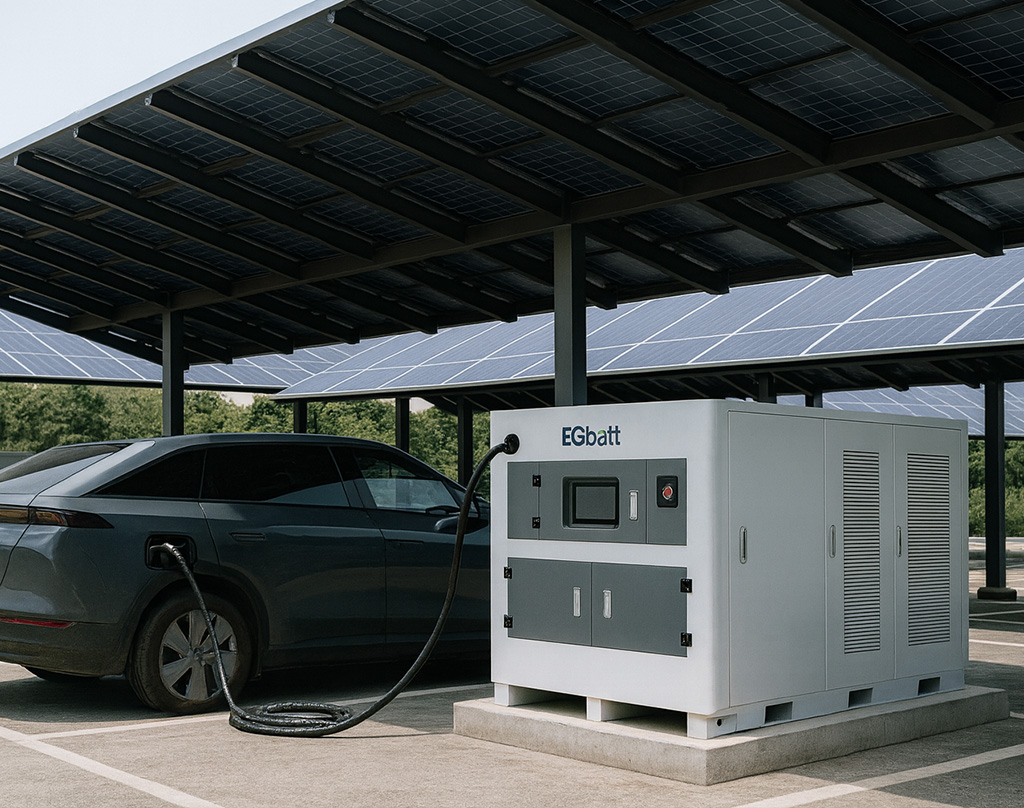
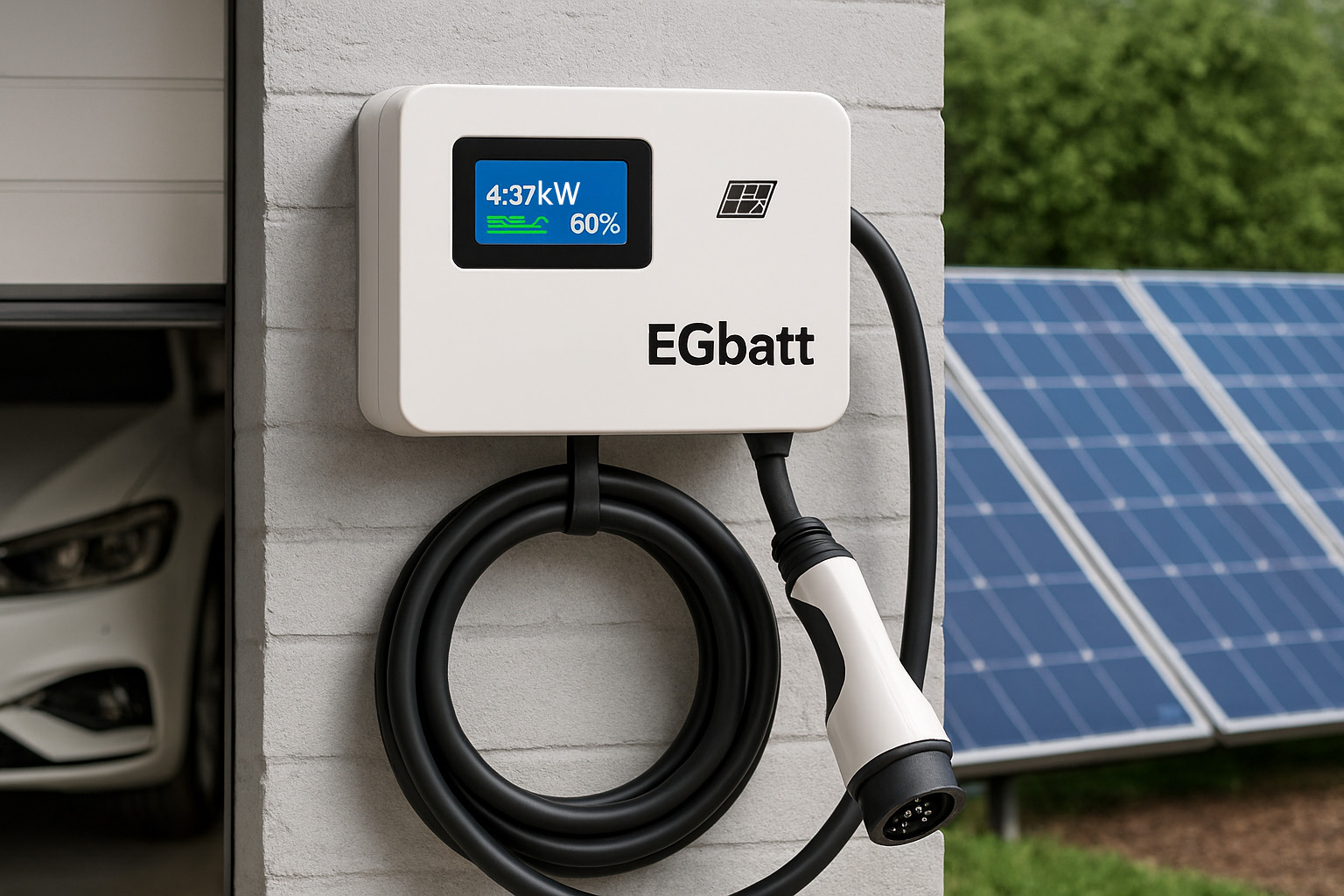
For solar enthusiasts, models like EGbatt integrate PV inputs, blending dc electric car charger tech with renewable energy for eco-friendly fast charging.
How Do DC Electric Car Chargers Work?
The magic of a DC EV charger lies in its direct approach. Here’s the nitty-gritty:
- Power Source Connection: These chargers pull from a high-voltage grid (often 480V three-phase), converting AC to DC internally with efficiency rates over 95%. For solar models like EGbatt’s 40kW, dual MPPT inputs (260-720Vdc) harvest DC directly from panels, skipping grid AC entirely for >99% efficiency.
- Vehicle Compatibility Check: Plug in via CCS, NACS (Tesla’s standard), or CHAdeMO. The charger communicates with your EV using protocols like ISO 15118 or OCPP 2.0.1 to negotiate voltage (200-750Vdc typical) and current (up to 200A+).
- Fast Power Delivery: At 50kW, expect 150-200 miles added per hour; at 150kW, it’s double that. The charger ramps up power based on battery state-of-charge (SOC), tapering off above 80% to protect cells. EGbatt’s units, for example, output 41A/82A max, with built-in protections against over-voltage or shorts.
- Cooling and Safety: High power generates heat, so forced-air or liquid cooling keeps things safe. Features like insulation fault detection and over-temp shutdown are standard.
- Payment and Monitoring: Public 150kw charging stations often use apps, RFID, or credit cards via OCPP backend for seamless billing.
Real example: A Delta 100kW charger can juice a 60kWh battery from 20-80% in 25 minutes, while Eaton’s 150kW model does it in under 20. Solar variants like EGbatt add MPPT for variable sun input, ideal for remote sites.
Benefits of Using a DC Electric Car Charger
Investing in a DC charger for EV pays off big time. From 2026 market insights, here’s why:
- Speed Demon: Charge 80% in 20-60 minutes vs. hours on Level 2. Perfect for fleets or high-traffic spots, reducing downtime.
- Cost Efficiency: Though upfront costs ($10,000-50,000), lower per-kWh rates and incentives (up to 30% federal tax credit) make ROI quick—often 2-5 years for commercial use. EGbatt’s solar integration cuts grid bills by 50-80%.
- Scalability: Models like Blink’s 120-150kW support multiple ports, handling 2-4 EVs at once. OCPP enables network management for expanding stations.
- Reliability in All Conditions: IP65-rated enclosures (like Lincoln Electric’s Velion) withstand -35°C to 50°C, with 95% humidity tolerance. UL and FCC compliance ensures safety.
- Eco Boost: Pair with solar for zero-emission charging. Networks like Electrify America are adding renewables, aligning with 2026 sustainability mandates.
Downsides? High installation costs and grid demands, but modular designs are easing that.
Top DC Electric Car Chargers in 2026: Reviews and Recommendations
Based on tests from sites like EVChargingStations.com and user forums, here are standout EV DC fast chargers from 50kW to 150kW. We prioritized efficiency, compatibility, and value, including EGbatt for its solar edge.
1. Lincoln Electric Velion 50kW Mobile (Best Portable Option)
- Price: Around $15,000 (estimates from industry benchmarks)
- Key Specs: 50kW output, 130A max, CCS/NACS, 25-ft cable, portable trailer design
- Why It Stands Out: Reddit users and reviews praise its mobility for events or remote sites—plug into a generator or grid for quick setup. In 2026 tests, it delivered consistent 50kW without cable limits, adding 150 miles/hour. CSA/UL certified for North America.
- Pros: Easy transport, robust build (from welding pros), OCPP for apps.
- Cons: Not for permanent installs.
- Best For: Fleets needing flexible dc electric car charger solutions.
2. Eaton Green Motion DC 150kW (Best for Compact Commercial Use)
- Price: $25,000-35,000
- Key Specs: 50-150kW scalable, dual ports (CCS/CHAdeMO), >95% efficiency, IP65 enclosure
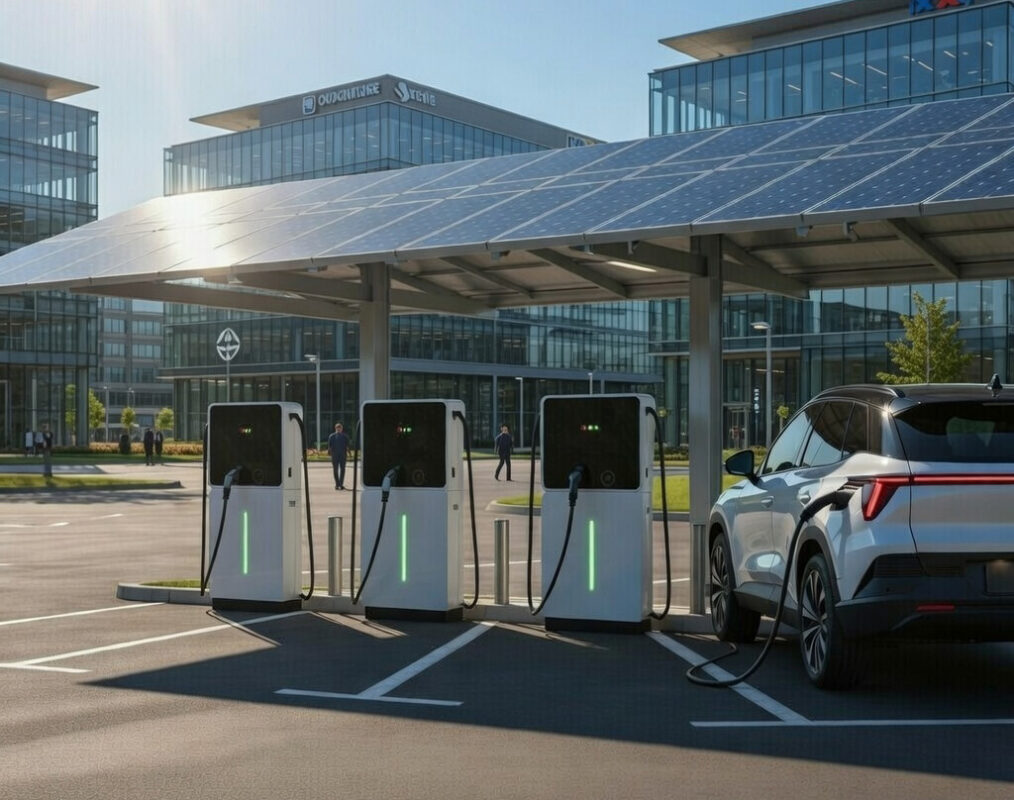
- Why It Stands Out: Smallest footprint in class, per Eaton’s claims—ideal for tight spaces. 2026 reviews highlight power management that prevents grid overloads, with up to 300 miles/hour added at peak. Supports OCPP 2.0 for backend integration.
- Pros: Scalable power, excellent service network.
- Cons: Higher cost for max output.
- Best For: Urban 150kw charging stations.
3. Delta DC City Charger 100kW (Best Value for Efficiency)
- Price: $20,000-30,000
- Key Specs: 25-150kW range, multiple outputs, 200-1000Vdc, Ethernet/WiFi
- Why It Stands Out: High efficiency (up to 96%) and modular design make it a favorite for public hubs. Users report reliable performance in variable weather, with fast 20-40 minute charges.
- Pros: Affordable, customizable interfaces (CCS, GB/T).
- Cons: Requires pro install.
- Best For: Commercial dc ev charger setups.
4. EGbatt 40kW Solar DC EV Fast Charger (Best Solar-Integrated)
- Price: Approximately $4,000
- Key Specs: 40kW (scalable from 20kW), dual MPPT, 82A max, >99% efficiency, 7.6m cable
- Why It Stands Out: While slightly below 50kW, its direct PV-to-EV tech makes it a standout for hybrid setups. 2026 feedback notes seamless solar integration, charging in under an hour with ample panels. UL-ready, with protections and OCPP.
- Pros: Eco-friendly, low losses, optional wireless.
- Cons: Needs solar array for full potential.
- Best For: Off-grid or green dc charger ev applications.
Other picks: Blink 60kW-150kW for high-power fleets, Tritium RT50 for dual-port reliability.
Off-Grid DC EV Charging Stations: Power Anywhere
For remote areas, off grid ev charging with DC fast tech is booming. Lincoln’s 50kW mobile pairs with generators, while EGbatt’s solar model uses panels and batteries for true independence—up to 40kW without grid. Delta offers hybrid kits with storage, ensuring 50-100kW even off-peak.
Installation Tips for Your DC EV Charger
Setting up a dc charger for ev requires pros:
- Site Assessment: Check for 480V access; costs $5,000-20,000.
- Permits: Local codes plus incentives like IRA credits.
- Placement: Outdoor-rated, with cooling vents clear.
- Integration: Add OCPP for apps; solar for EGbatt needs MPPT wiring.
FAQs About DC Electric Car Chargers
What’s the difference between DC and AC EV chargers?
DC is faster (50kW+), direct to battery; AC slower, via onboard converter.
Can I install a 150kW charging station at home?
Possible but rare—needs heavy electrical upgrades. Stick to commercial.
How much does a DC EV charger cost to use?
$0.30-0.50/kWh public; solar like EGbatt nearly free.
Is a DC charger EV safe in bad weather?
Yes, with IP65 and protections.
Final Thoughts: Accelerate Your EV Experience
A DC electric car charger from 50kW to 150kW turns range anxiety into a relic. Whether it’s Eaton’s space-saver, Delta’s efficient powerhouse, or EGbatt’s solar innovator, these stations make EVs practical for everyone. Check out egbatt.com or major networks like Electrify America to get started. Charge fast, drive far—the EV revolution is here.
