

Blog
How EGbatt Designs and Optimizes Energy Storage Battery Systems: A Practical, Supplier-Level Guide

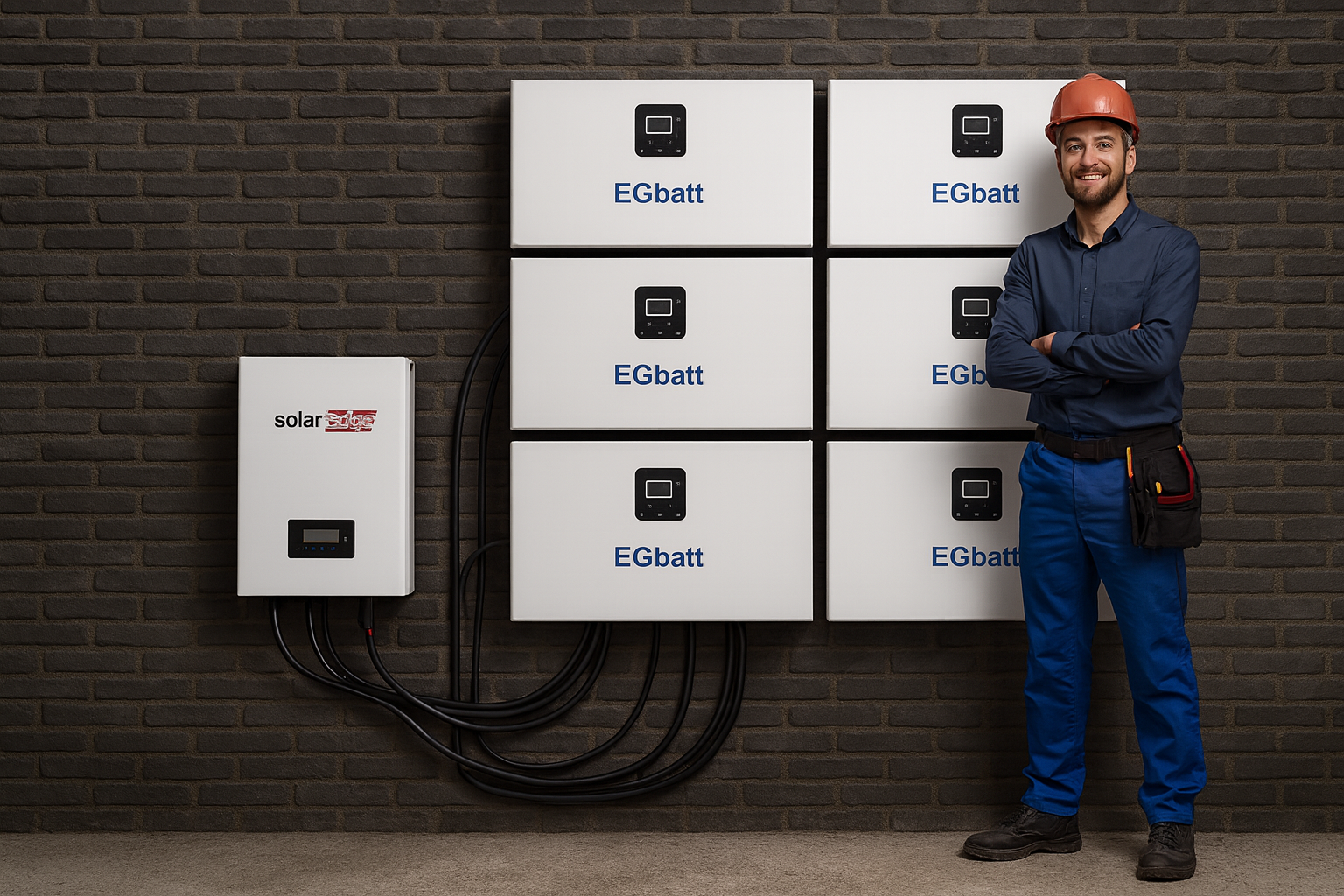
Energy Storage Battery System Design & Optimization
How EGbatt Designs and Optimizes Energy Storage Battery Systems: A Practical, Supplier-Level Guide
— How EGbatt Builds a High-Performance ESS From the Ground Up**
At EGbatt, every energy storage system we build—whether it’s a compact 48V home battery, a commercial cabinet, or a containerized MWh solution—follows a simple principle:
👉 Start with the required energy.
Set the boundaries using volume and weight.
Then match the right cells and optimize the pack integration.
This three-step method (“parameter breakdown → cell matching → system optimization”) ensures every project maintains the right balance between energy capacity, size, and weight, while also meeting real-world requirements like safety, lifespan, installation conditions, and cost.
Below is our supplier-level, practical breakdown of how EGbatt engineers approach ESS system design.
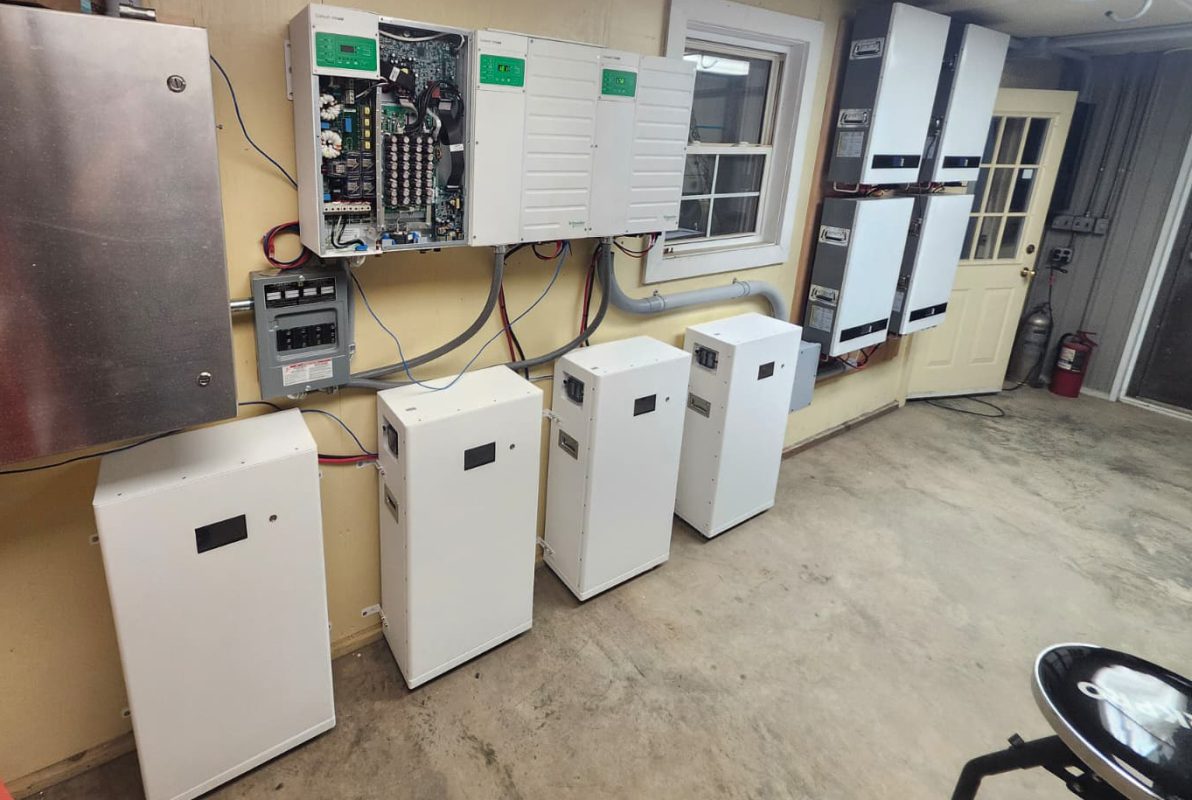
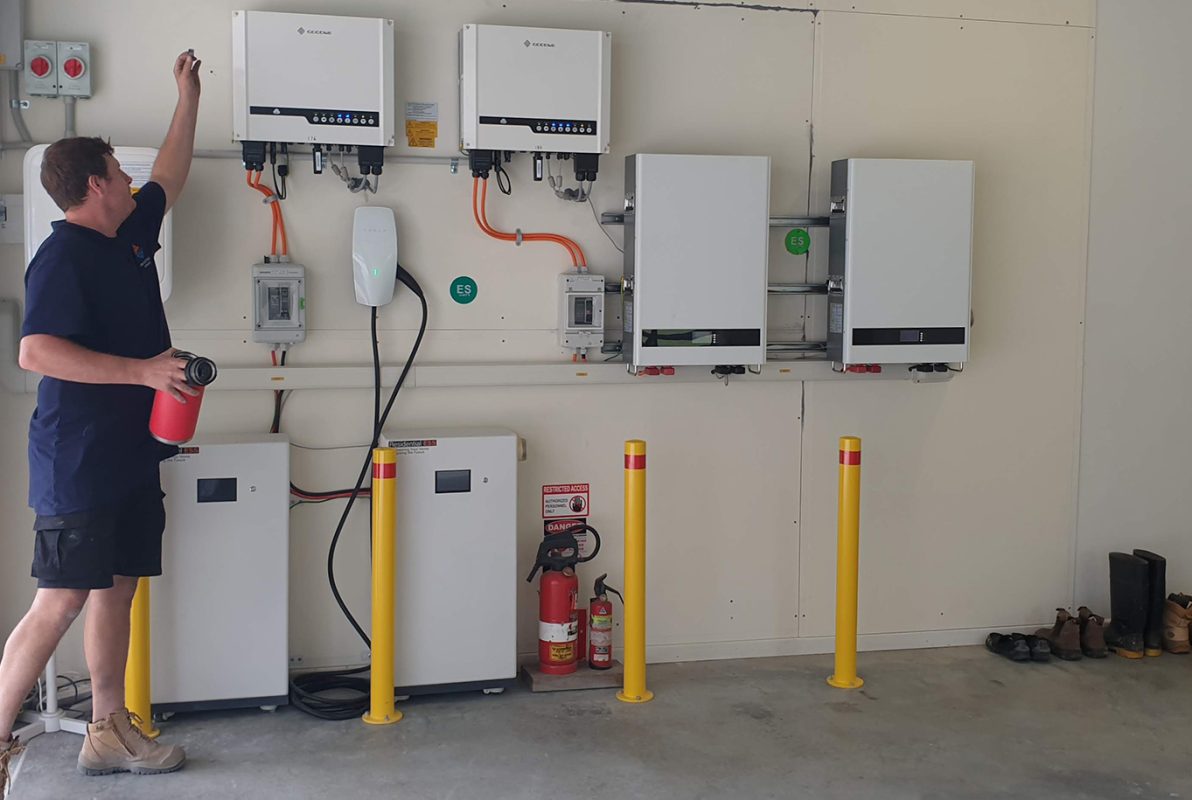
**1. Step One: Define the Core Parameters & Priorities
— These Are the “Anchor Constraints” of the Whole Design**
Before designing any pack, we first quantify the three core metrics:
- Required energy (kWh)
- Acceptable volume (L / m³)
- Maximum weight (kg)
This helps prevent conflicts later and clarifies which parameters are hard constraints and which are flexible trade-offs.
1.1 Quantify Required Energy (This Is Always the Core Target)
Total energy depends on the load and backup duration:
Formula
Total Energy (kWh) = Load Power (kW) × Backup Hours (h) × Redundancy Factor (1.2–1.5)
Example:
A home load of 5 kW running for 4 hours with 1.2× redundancy:
5 × 4 × 1.2 = 24 kWh
We also confirm the system voltage early—48V / 220V / 380V / 600V / 1000V—because this determines the series/parallel architecture and affects both volume and weight.
1.2 Define Volume & Weight Constraints
These depend heavily on application type:
Residential ESS
- Typical volume: 0.1–0.3 m³ (100–300 L)
- Weight: ≤50–60 kg for easy installation
(Example: products similar to our 48V Rack-Mount Series:
https://egbatt.com/product-category/rack-mount-battery/ )
Commercial & Industrial ESS
- Volume: 1–5 m³
- Weight: typically ≤1000 kg per cabinet
Containerized ESS (MWh-level)
- Volume defined by container size (20ft ≈ 33 m³)
- Must meet shipping weight limits (< 30 tons total)
1.3 Set Parameter Priorities
Different scenarios have different design priorities:
Energy Priority (e.g., grid-scale ESS)
Large kWh/MWh capacity matters more than size and weight.
Size/Weight Priority (e.g., RV, portable or mobile ESS)
Must be compact and lightweight while still meeting minimum energy needs.
Balanced Priority (e.g., residential ESS)
A typical sweet spot:
20–30 kWh, ≤0.2 m³, ≤50–60 kg
**2. Step Two: Break Down the Energy & Select the Right Battery Cells
— This Defines the Electrical Architecture**
Once the energy requirement is clear, we calculate the needed:
- Series count (S)
- Parallel count (P)
- Cell type (prismatic, cylindrical, pouch, or sodium-ion)
2.1 Calculate Series/Parallel Configuration
Core Formula
Total Energy (Wh) = Cell Capacity (Ah) × Cell Voltage (V) × S × P
Example:
Target: 24 kWh, 48V system
Cell: 3.2V 200Ah LiFePO4 prismatic
- Series count: 48 ÷ 3.2 = 15S
- Single cell energy = 3.2 × 200 = 640 Wh
- To reach 24 kWh:
24,000 ÷ 640 ÷ 15 ≈ 2.5 → 3P needed
So the final configuration becomes 15S3P (45 cells total), giving:
640 × 15 × 3 = 28.8 kWh (ideal after accounting for losses)
EGbatt commonly uses similar logic for our 48V 100Ah and 300Ah ESS products:
https://egbatt.com/product/egbatt-48v-100ah-lifepo4-power-wall-lithium-ion-home-battery-ess-battery-5kwh/
2.2 Choose the Right Type of Cell (Energy Density Matters Most)
| Cell Type | Volume Density (Wh/L) | Weight Density (Wh/kg) | Recommended Use |
|---|---|---|---|
| Prismatic LiFePO4 | 250–350 | 120–180 | Home & C&I ESS (balanced) |
| Cylindrical LFP | 200–300 | 100–160 | Small/mobile systems |
| Pouch LFP | 300–400 | 150–200 | Space-critical designs (RV, portable) |
| Sodium-ion | 150–250 | 80–120 | Low-cost, low-density scenarios |
Selection logic used at EGbatt:
- Limited space: choose pouch or high-capacity prismatic
- Weight sensitive: choose cells with higher Wh/kg
- Cost sensitive: prismatic LFP or sodium-ion
- Long cycle life: prismatic LiFePO4 (EGbatt’s core products)
**3. Step Three: Integrate and Optimize the System
— Volume & Weight Must Include Non-Cell Components**
Non-cell components (BMS, structure, busbars, cooling, wiring) usually represent:
- 20–40% of weight
- 30–50% of volume
So we calculate the theoretical cell-only size, then adjust for real-world pack efficiency.
3.1 Calculate “Cell-Only” vs. “Actual System” Size
Example: 30 prismatic cells
- Single cell: 0.8 L, 1.5 kg
- Total cell volume: 24 L
- Total cell weight: 45 kg
If pack volume efficiency = 0.6:
→ Actual system volume ≈ 40 L
If pack weight efficiency = 0.75:
→ Actual system weight ≈ 60 kg
(If target is <50kg, we switch to lighter cells or optimize the frame design.)
3.2 Integration Optimization (Where EGbatt Has Strong Supplier Advantage)
Structural Components
- Use aluminum instead of steel (30% lighter)
- Compact module holders to raise volume efficiency above 0.7
Thermal Management
- Air cooling for small ESS (saves 40–50% space compared to liquid cooling)
- Liquid cooling for high-power or high-temperature environments
BMS & Busbars
- Compact BMS boards
- Integrated busbars reduce cable weight by ~20%
Space Utilization
- Tight cell stacking
- BMS placed on the top plate to avoid expanding the side profile
You can see this optimization philosophy reflected in our Rack-Mount 48V ESS series:
https://egbatt.com/product-category/rack-mount-battery/
4. Step Four: Resolve Conflicts & Iterate the Design
Energy, size, and weight always conflict. EGbatt resolves this by:
If volume is too large but weight is okay:
→ switch to higher Wh/L cells (pouch or large prismatic)
If weight is too high but volume is acceptable:
→ use higher Wh/kg cells or lighter structural material
If energy is insufficient but size/weight are maxed out:
→ negotiate lower backup hours with customer
→ or split the pack into multiple smaller modules (a common EGbatt approach)
Simulation & Prototype Verification
- 3D modeling for volume and airflow
- BOM-based weight check
- Charge/discharge tests to confirm actual capacity
We iterate until all constraints are satisfied.
Conclusion
EGbatt’s ESS design philosophy is simple:
Energy defines the electrical architecture.
Volume and weight define the physical boundary.
Cell selection + integration optimization = the final balanced system.
By focusing on energy density and pack integration efficiency, we achieve systems that meet demanding requirements for home, commercial, and grid-level energy storage.
If you want, I can also prepare a “Battery System Sizing & Cell Selection Sheet” for you, including:
- Total energy calculator
- Cell energy density reference table
- Volume/weight estimation template
- Automatic S/P configuration helper
