Introduction
Ever wondered how you could harness solar power more efficiently and store it for later use? Enter the 230v 800W hybrid micro inverter. This nifty piece of technology is revolutionizing how we think about solar energy, making it more accessible and efficient for everyday use. But what exactly is a micro inverter, and why should you consider a hybrid model?
What is a Micro Inverter?
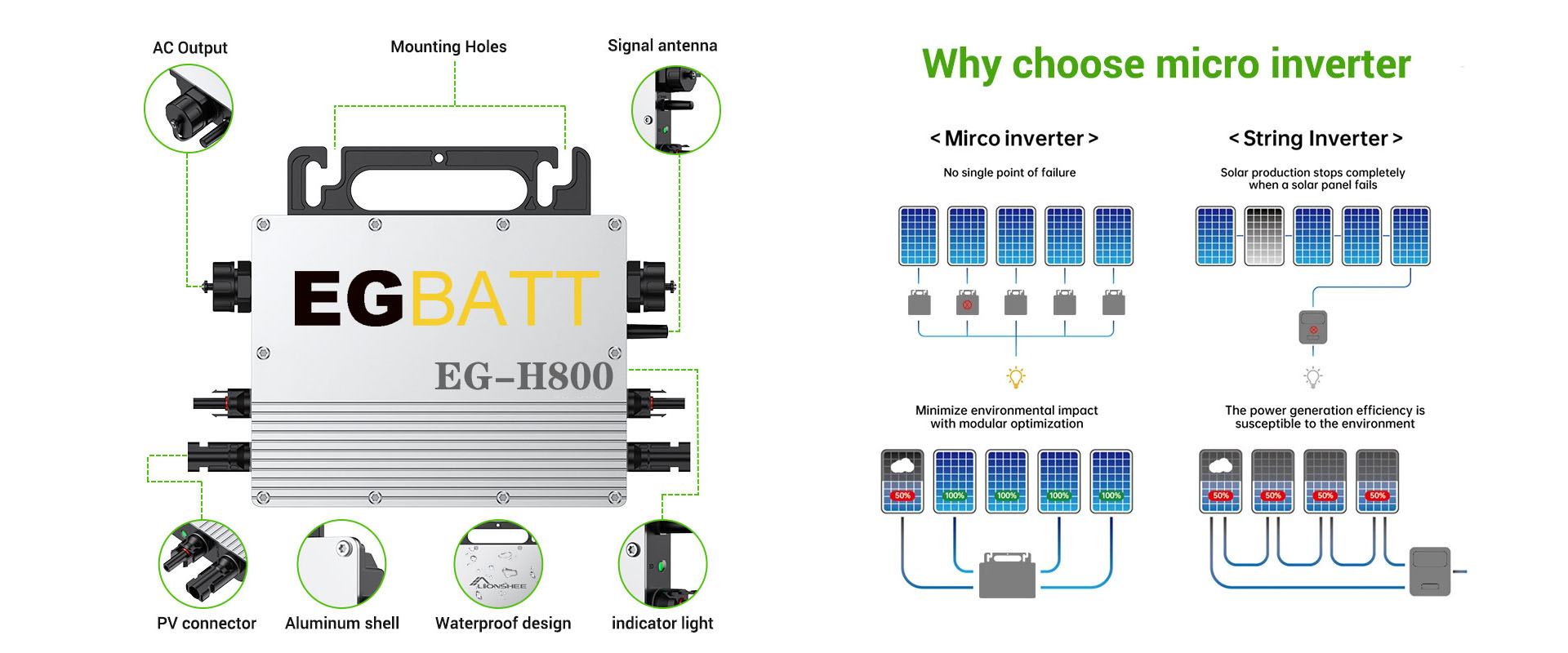
A micro inverter is a small device that converts the direct current (DC) generated by solar panels into alternating current (AC) that can be used by household appliances. Unlike traditional inverters, which serve multiple panels, a micro inverter is attached to each individual panel. This setup allows for better performance and monitoring of each panel’s output.
Importance of Hybrid Micro Inverters
Hybrid micro inverters take things a step further by combining the benefits of traditional inverters with energy storage capabilities. This means you can store excess energy generated during the day for use when the sun isn’t shining. The 230v 800W hybrid micro inverter is particularly noteworthy due to its balance of power, efficiency, and versatility.
Technical Specifications of 230v 800W Hybrid Micro Inverter
Understanding the specifications of this inverter can help you determine if it’s the right fit for your energy needs.
Voltage and Power Rating
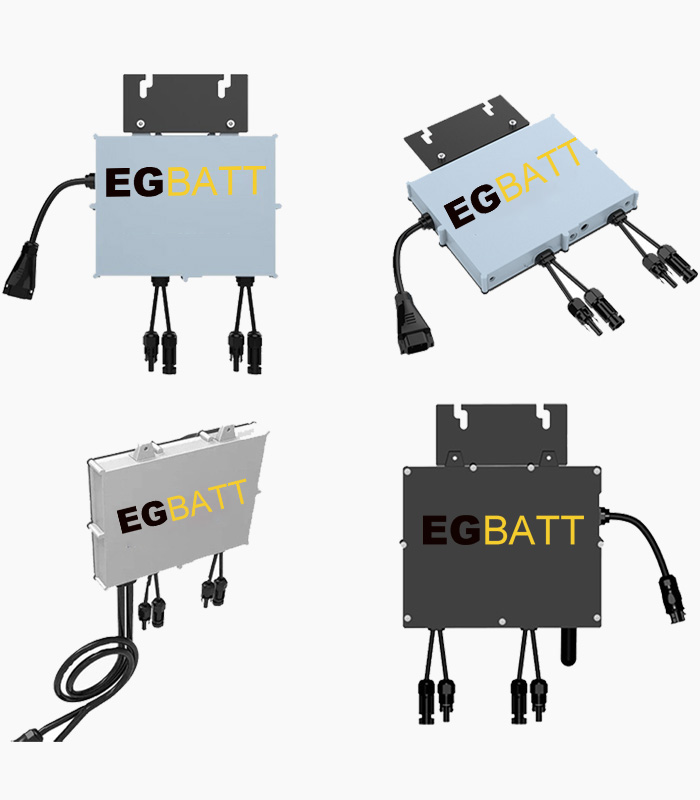
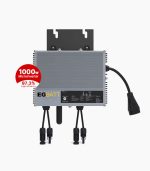
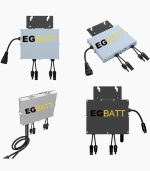
The 230v 800W hybrid micro inverter is designed to handle a voltage of 230 volts and a power output of 800 watts. This makes it suitable for a wide range of applications, from small residential setups to larger commercial installations.
Efficiency and Performance
One of the key selling points of this inverter is its high efficiency. It typically boasts an efficiency rate of over 95%, meaning very little energy is lost during the conversion process. This high efficiency translates to better performance and more energy savings over time.
How Hybrid Micro Inverters Work
To fully appreciate the benefits of the 230v 800W hybrid micro inverter, it’s essential to understand how it works.
Basic Working Principle
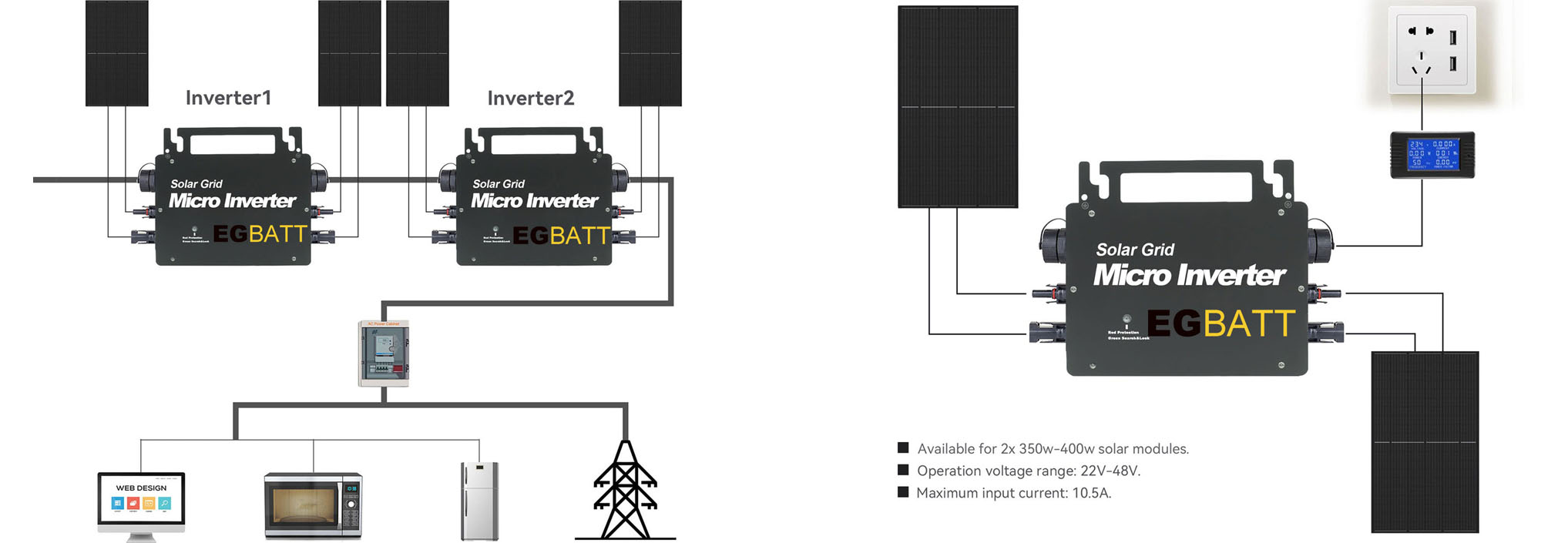
At its core, the hybrid micro inverter converts DC power from solar panels into AC power. However, it also integrates an energy storage system, usually in the form of batteries, to store excess energy. This stored energy can be used when solar power generation is low, such as during cloudy days or at night.
Integration with Solar Panels
The inverter is typically mounted on the back of each solar panel. It captures the DC output directly from the panel and converts it to AC. The energy storage component is either built into the inverter or connected separately, allowing for seamless integration with your existing solar setup.
Advantages of Using a 230v 800W Hybrid Micro Inverter
So why should you consider investing in a hybrid micro inverter? Here are some compelling reasons.
Enhanced Energy Efficiency
Because each panel has its own inverter, the system can optimize the performance of each panel individually. This means that shading, dirt, or damage to one panel doesn’t affect the overall system’s performance as much as it would with a traditional inverter setup.
Improved Energy Storage
The hybrid aspect means you’re not just generating and using solar power; you’re also storing it. This reduces reliance on the grid and ensures you have power even when the sun isn’t shining.
Applications of 230v 800W Hybrid Micro Inverters
These inverters are versatile and can be used in various settings.
Residential Use
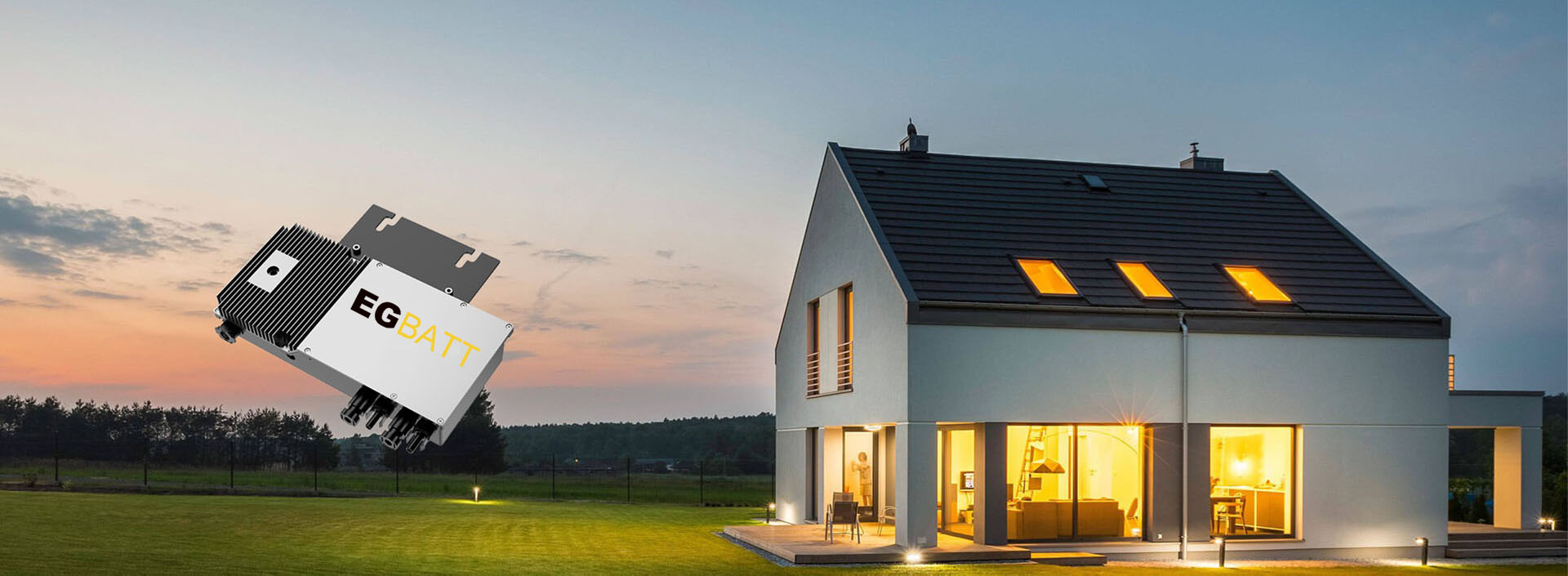
For homeowners, the 230v 800W hybrid micro inverter is an excellent choice for rooftop solar installations. It provides reliable power, improves energy efficiency, and ensures you can store excess energy for later use.
Commercial Use
Businesses can also benefit from these inverters. They can be used in larger solar installations, helping businesses reduce their energy costs and improve their sustainability efforts.
Installation Process
Installing a hybrid micro inverter can seem daunting, but it’s quite manageable with the right guidance.
Step-by-Step Guide
- Preparation: Ensure you have all necessary components and tools.
- Mounting: Attach the micro inverter to the solar panel.
- Wiring: Connect the inverter to the solar panel and energy storage system.
- Testing: Verify that the system is working correctly.
Common Mistakes to Avoid
- Incorrect Wiring: Double-check all connections to avoid short circuits.
- Improper Mounting: Ensure the inverter is securely attached to prevent damage.
Maintenance and Troubleshooting
Like any technology, hybrid micro inverters require regular maintenance.
Regular Maintenance Tips
- Clean Panels: Keep your solar panels clean to ensure maximum efficiency.
- Check Connections: Regularly inspect all connections for signs of wear or damage.
Common Issues and Solutions
- Power Fluctuations: This could be due to shading or dirt on the panels. Clean the panels and check for obstructions.
- Storage Issues: If your energy storage isn’t working correctly, it might be time to check the batteries.
Cost Analysis
When considering a hybrid micro inverter, it’s important to look at both the initial investment and long-term savings.
Initial Investment
The cost of a 230v 800W hybrid micro inverter can vary, but it’s generally a worthwhile investment given the potential savings on energy bills.
Long-term Savings
By generating and storing your own solar power, you can significantly reduce your reliance on the grid and lower your energy costs over time.
Comparing Hybrid Micro Inverters with Traditional Inverters
To make an informed decision, it’s useful to compare hybrid micro inverters with traditional ones.
Key Differences
- Energy Storage: Hybrid inverters offer built-in energy storage, while traditional inverters do not.
- Efficiency: Hybrid inverters tend to be more efficient due to their ability to optimize individual panel performance.
Pros and Cons
- Hybrid Inverters: Pros include energy storage and higher efficiency. Cons can include higher initial costs.
- Traditional Inverters: Pros include lower cost. Cons include lower overall efficiency and no energy storage.
Environmental Impact
Switching to a hybrid micro inverter can have significant environmental benefits.
Eco-Friendly Benefits
By using solar power and storing excess energy, you’re reducing your carbon footprint and contributing to a more sustainable future.
Contribution to Sustainable Energy
Hybrid micro inverters support the growth of renewable energy, helping reduce reliance on fossil fuels.
Buying Guide
If you’re convinced that a 230v 800W hybrid micro inverter is right for you, here are some tips for making the best purchase.
Factors to Consider
- Compatibility: Ensure the inverter is compatible with your solar panels.
- Brand Reputation: Look for reputable brands with good customer reviews.
Top Brands to Look For
Some of the leading brands in the market include Enphase, SMA, and SolarEdge. These companies are known for their reliable and efficient inverters.
Future of Hybrid Micro Inverters
The technology behind hybrid micro inverters is continually evolving.
Technological Advancements
Expect to see improvements in efficiency, energy storage capacity, and overall performance as technology advances.
Market Trends
The demand for hybrid micro inverters is expected to grow as more people and businesses seek sustainable energy solutions.




Reviews
There are no reviews yet.