Blog
PV+ESS+Charger Solution: Integrated Solar Carports with Battery Storage & EV Charging

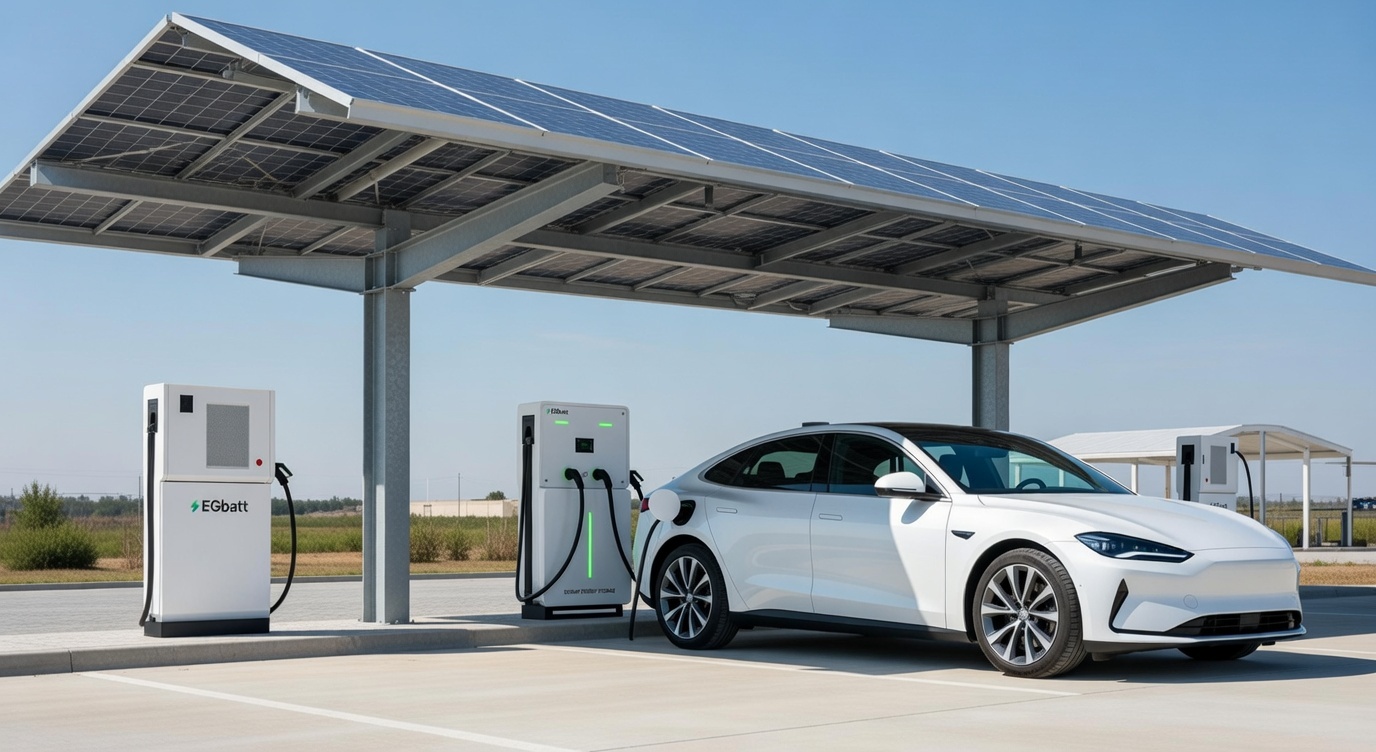
The Ultimate PV+ESS+Charger Solution: Integrated Solar Carports with Battery Storage & EV Charging
Introduction: The Future of Energy is Integrated
The global shift towards electric mobility and renewable energy is creating a unprecedented demand for smart, efficient, and scalable infrastructure. Businesses, municipalities, and property developers are no longer looking for standalone solutions; they need integrated systems that can generate, store, and distribute clean energy seamlessly. This is where the PV+ESS+Charger solution comes into play.
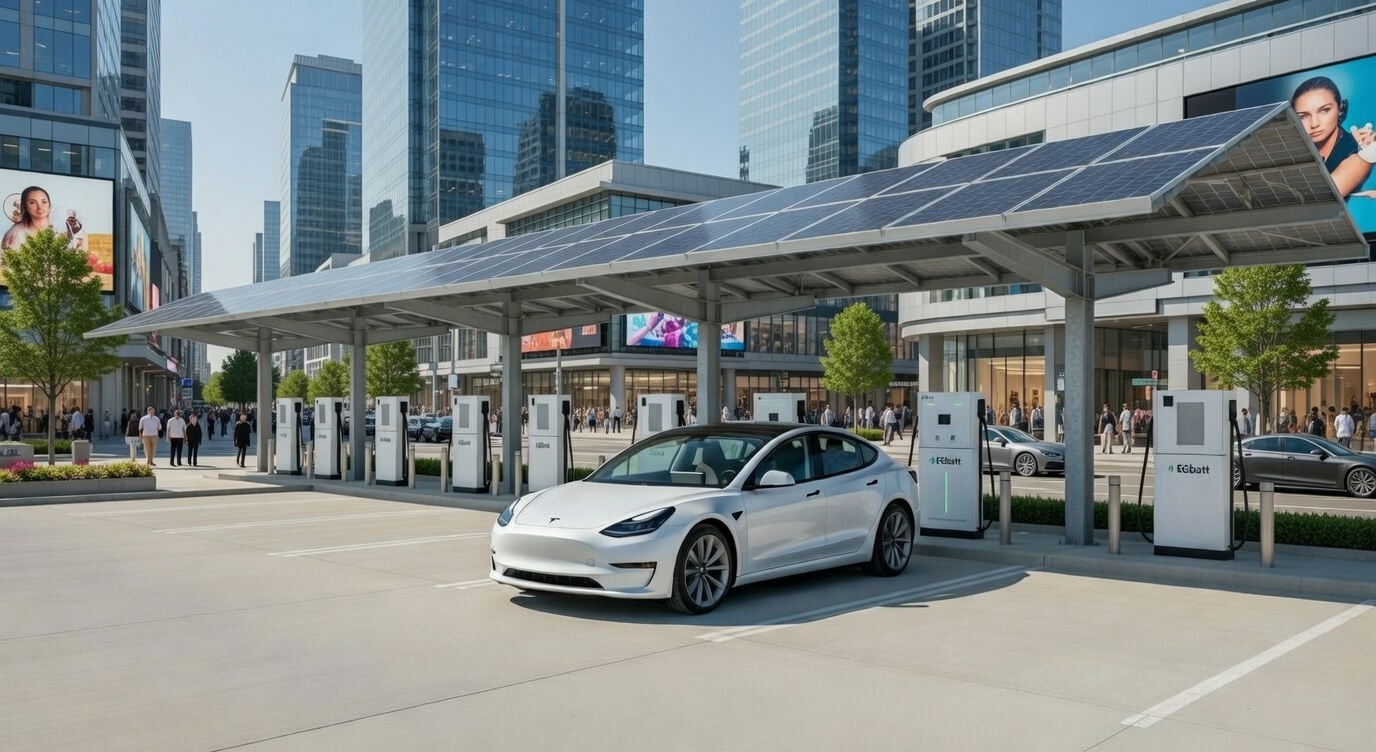
By combining a solar carport, a Battery Energy Storage System (BESS) , and EV charging stations, these all-in-one systems transform ordinary parking lots into powerful energy hubs. EGbatt is at the forefront of this revolution, offering pre-engineered, cost-effective, and highly intelligent solar-storage-charging stations designed for the commercial and industrial landscape. As the global PV+ESS+Charger solution market experiences explosive growth, understanding the technology, benefits, and implementation of these systems is crucial for any forward-thinking organization.
This comprehensive guide will explore every facet of integrated PV storage and EV charging systems, from core components and financial returns to technical specifications and real-world applications.
Chapter 1: What is a PV+ESS+Charger Solution?
1.1 Defining the Integrated System
A PV+ESS+Charger solution is an intelligent microgrid that combines three core technologies into a single, synergistic platform. It is designed to maximize the use of renewable energy for electric vehicle charging while optimizing energy costs and grid interaction. The three core components are:
-
The Solar PV System (Photovoltaic Carport): This is the energy generation component. High-efficiency solar panels are mounted on a durable structure, typically a solar carport or solar canopy, converting sunlight into direct current (DC) electricity. This structure serves a dual purpose: producing clean energy and providing shelter for vehicles.
-
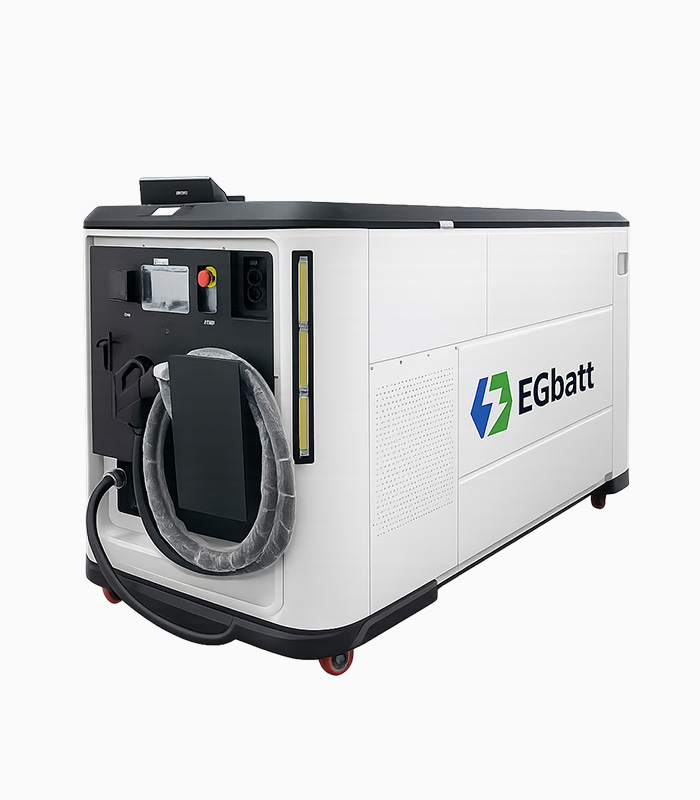
The Battery Energy Storage System (BESS): This is the energy management component. A BESS, typically using advanced lithium-ion batteries, stores excess solar energy produced during peak sunlight hours. This stored energy can be dispatched later when solar generation is low, during peak demand periods, or when electricity prices are high. It acts as a buffer, ensuring energy is available when needed most.
-
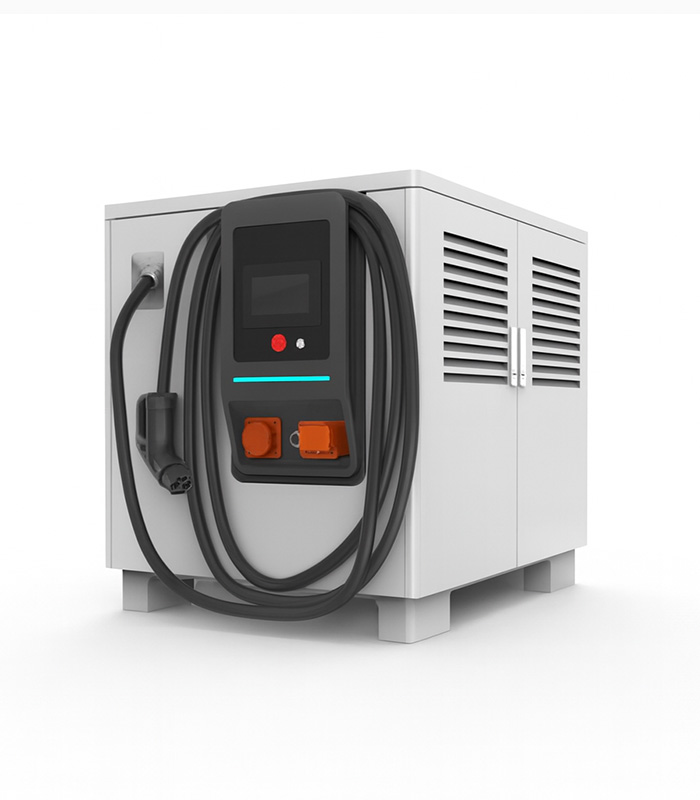
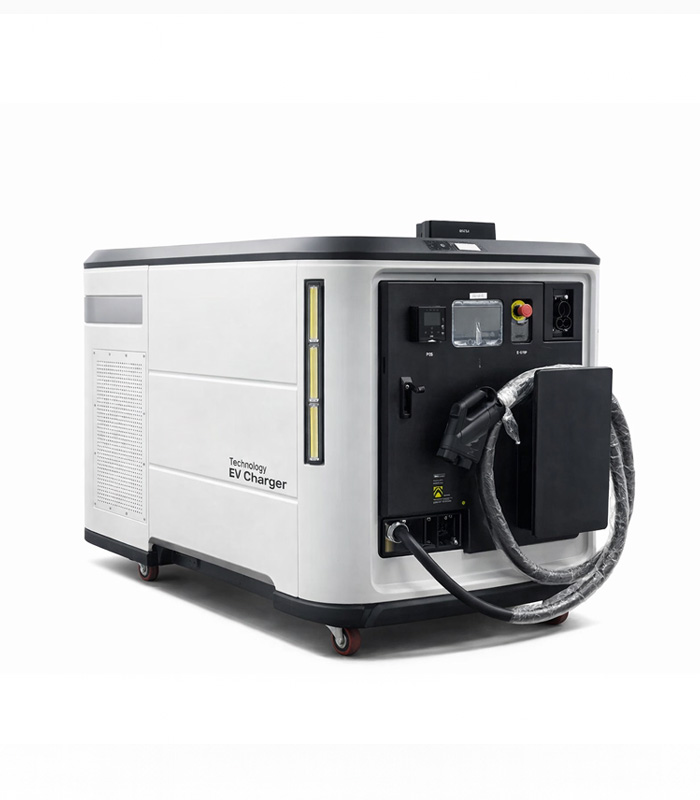
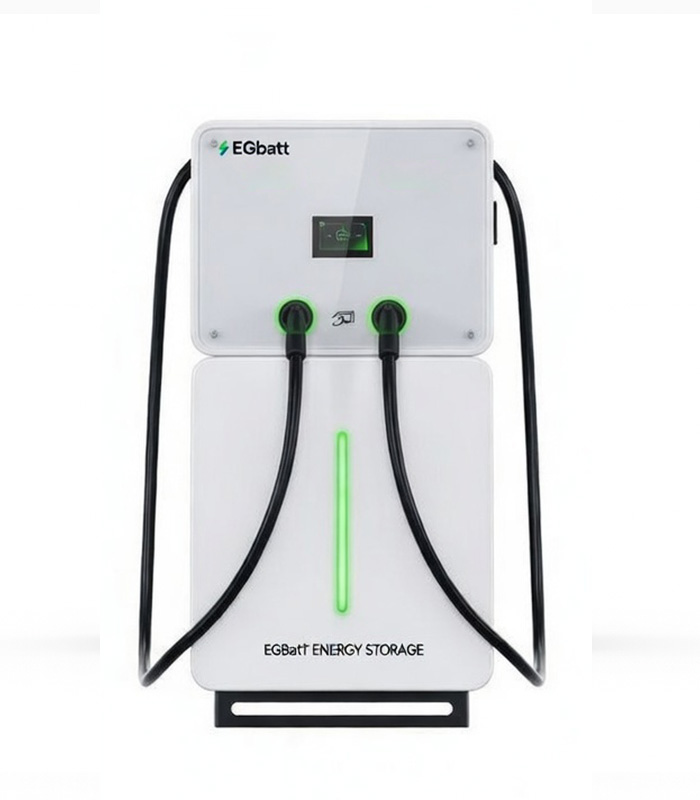
The EV Charging Infrastructure (EVSE): This is the energy consumption component. Electric Vehicle Supply Equipment (EVSE) , ranging from Level 2 AC chargers to high-power DC fast chargers, delivers the stored and generated clean energy to electric vehicles. This transforms the parking lot into a revenue-generating EV charging station.
1.2 How an Integrated Solar Storage and Charging System Works
The magic of this system lies in its intelligent control. A sophisticated energy management system (EMS) or platform acts as the brain, constantly monitoring and optimizing the flow of electricity.
-
Real-Time Optimization: The EMS analyzes data from the solar inverter, battery sensors, and connected EV chargers. It also factors in real-time electricity prices, weather forecasts, and historical usage patterns.
-
Intelligent Energy Routing:
-
Direct PV Charging: When the sun is shining and an EV is plugged in, the system prioritizes sending solar power directly to the vehicle. This is the most efficient and cost-effective path.
-
Battery Charging: If solar production exceeds the demand from EV charging, the surplus energy is used to charge the BESS. This prevents waste and stores the energy for later use.
-
Peak Shaving & Grid Services: During periods of high grid electricity prices or when demand charges are high, the system can discharge the battery storage to power EV chargers or the building’s load, drastically reducing electricity bills. The system can also sell energy back to the grid if configured to do so.
-
Night-Time & Low-Sun Charging: When solar is unavailable, EVs are charged using energy stored in the battery during the day or, as a last resort, from the grid.
-
This intelligent orchestration ensures maximum self-consumption of solar energy, provides grid stability, and unlocks the full financial potential of the system.
Chapter 2: The Compelling Business Case for PV+ESS+Charger
2.1 Maximizing Return on Investment (ROI)
For many businesses, the primary question is financial. Why invest in adding battery storage to a solar carport with EV charging? The answer lies in the dramatic improvement in key financial metrics.
-
Drastically Increased Self-Consumption: A standard solar PV system without storage might only achieve a self-consumption rate of 20-30%, as excess energy is exported to the grid at low feed-in tariffs. By integrating a BESS, self-consumption rates can soar to 70-90%. You are using nearly all the free energy you produce, directly displacing expensive grid electricity. Real-world projects, such as those by UK councils, have demonstrated annual energy savings of £100,000–£150,000 with integrated systems.
-
Unlocking New Revenue Streams: The system transforms a parking lot from a cost center into a profit center. You can generate revenue from:
-
EV Charging Fees: Offering paid charging services to customers, employees, and the public.
-
Peak Shaving / Demand Charge Reduction: Avoiding costly demand charges by using stored energy during peak periods.
-
Energy Arbitrage (Peak Shifting): Buying cheap electricity from the grid during off-peak hours to charge the battery, then using or selling that energy during peak hours when prices are high.
-
Grid Services: Participating in demand response programs or providing frequency regulation services to the grid for additional compensation.
-
-
ROI Uplift: Industry analysis consistently shows that integrating EV charging with battery storage can deliver a 10-25% ROI uplift compared to solar-only installations. The battery is not an expense; it is the key that unlocks the full value of your solar asset.
2.2 Achieving Sustainability and ESG Goals
Beyond pure finance, these systems are powerful tools for meeting corporate sustainability targets.
-
Significant Carbon Reduction: By powering EV charging with on-site renewable energy, you are directly displacing fossil fuels from the transportation sector. This makes a tangible, measurable contribution to your company’s carbon footprint reduction goals.
-
Meeting Regulatory Requirements: Governments worldwide are mandating greener infrastructure. For example, France now requires large parking lots to be covered with solar panels. Installing an integrated solar storage and charging system ensures compliance with such regulations and prepares your business for future environmental policies.
-
Enhancing Brand Image: Demonstrating a visible commitment to sustainability through a state-of-the-art solar carport with EV charging enhances your brand reputation among environmentally conscious customers, partners, and employees.
2.3 Enhancing Grid Stability and Energy Independence
Relying solely on the grid leaves your business vulnerable to price volatility and outages.
-
Reduced Grid Reliance: With on-site generation and storage, your EV charging station becomes less dependent on the local grid. This is especially valuable in areas with weak grid infrastructure or high demand charges.
-
Protection Against Outages: In the event of a grid failure, a properly configured system can island itself and continue to provide power for EV charging and critical loads, ensuring business continuity.
-
Future-Proofing with V2G: As technology evolves, these systems are ready to integrate Vehicle-to-Grid (V2G) capabilities, allowing EVs themselves to act as mobile storage units and provide power back to the building or grid, creating even more value.
Chapter 3: EGbatt Integrated PV+ESS+Charger Solutions – Technical Deep Dive
EGbatt offers a range of pre-engineered, scalable solutions designed to meet the diverse needs of the commercial and industrial market. Our systems are built for reliability, performance, and ease of installation.
3.1 System Configurations and Specifications
EGbatt systems are modular and can be tailored to specific project requirements, from small retail installations to large-scale industrial parks. The table below provides a general overview of our standard configurations.
| System Application | Typical Solar Carport Area (m²) | PV System Power Range | BESS Capacity Range | PCS Power Range | EV Charger Output Options | Typical Charging Points |
|---|---|---|---|---|---|---|
| Commercial / Retail | 150 – 800 | 30 kW – 150 kW | 60 kWh – 500 kWh | 30 kW – 100 kW | AC: 7-22 kW / DC: 30-60 kW | 2 – 10 |
| Municipal / Fleet Depots | 800 – 3,000 | 150 kW – 500 kW | 500 kWh – 2 MWh | 100 kW – 250 kW | AC: 7-22 kW / DC: 60-180 kW | 10 – 50 |
| Industrial Park / Highway Hub | 3,000 – 10,000+ | 500 kW – 2 MW+ | 2 MWh – 10 MWh+ | 250 kW – 1 MW+ | DC: 60-350 kW (Ultra-fast) | 50+ (By Demand) |
Key System Components:
-
Solar Carport Structure: EGbatt offers robust, aesthetically pleasing carport structures in various designs (single-pole, double-pole, arched) to suit different site layouts and architectural preferences. They are engineered for durability and optimized for solar panel performance.
-
Battery Energy Storage System (BESS): We utilize high-cycle-life LFP (Lithium Iron Phosphate) battery cells, known for their superior safety and longevity. Our BESS enclosures are weatherproof (IP54/55) and include integrated thermal management, fire suppression, and a powerful Battery Management System (BMS).
-
Power Conversion System (PCS): The PCS is a bi-directional inverter that manages the flow of power between the solar panels, battery, EV chargers, and the grid. EGbatt’s PCS units are highly efficient (>98%) and feature rapid response times for grid support.
-
EV Chargers: We integrate a wide range of certified EV chargers, including:
-
Level 2 AC Chargers (7kW, 11kW, 22kW): Ideal for destination charging where vehicles are parked for longer periods.
-
DC Fast Chargers (30kW,40kw, 60kW, 120kW, 180kW, 240kW+): For rapid charging along highways and at commercial sites.
-
-
Energy Management System (EMS): The cloud-based EGbatt EMS is the intelligence layer. It provides:
-
Real-time monitoring and analytics of all system components.
-
AI-driven predictive control for optimized charging/discharging based on weather, tariffs, and load forecasts.
-
Remote diagnostics and over-the-air (OTA) updates.
-
User-friendly dashboard for operators to manage energy flow and revenue.
-
3.2 Certifications and Compliance
EGbatt is committed to the highest standards of quality and safety. Our systems and components are certified to meet rigorous international standards, ensuring reliability and bankability for your project.
-
Battery Certifications: IEC 62619, IEC 63056, UN 38.3, UL 1973, UL 9540 (for complete system), UL 9540A (fire safety testing).
-
System Certifications: CE, IEC 62477 (safety for power converters), IEC 61000 (EMC).
-
Warranties: EGbatt offers comprehensive warranties on all major components, including performance guarantees for the battery storage system.
Chapter 4: Key Applications Across Industries
The versatility of the PV+ESS+Charger solution makes it applicable across a wide range of sectors.
4.1 Commercial Real Estate (Shopping Malls, Office Parks)
-
Value Proposition: Attract and retain tenants and customers by providing convenient, sustainable amenities. Transform large, unused parking areas into revenue-generating assets.
-
Implementation: Install solar carports over customer and employee parking. The system can power EV charging for customers, provide energy for the building’s common areas, and reduce overall operating expenses.
4.2 Industrial and Logistics (Factories, Warehouses, Fleet Depots)
-
Value Proposition: Decarbonize logistics and fleet operations. Manage energy costs for energy-intensive industrial processes.
-
Implementation: Deploy large-scale solar carports for employee and fleet vehicles. The BESS can be used for peak shaving to reduce industrial demand charges and provide backup power for critical operations. Power electric forklifts and delivery trucks with on-site renewable energy.
4.3 Public Infrastructure (City Parking Lots, Transit Hubs)
-
Value Proposition: Support the city’s EV adoption goals, generate revenue for the municipality, and demonstrate leadership in sustainability.
-
Implementation: Develop public EV charging stations with integrated solar and storage at municipal lots, park-and-ride facilities, and airports. This can be done through public-private partnerships.
4.4 Highway Service Areas and Travel Plazas
-
Value Proposition: Meet the growing demand for high-speed charging along major travel corridors. Overcome grid limitations that prevent installing multiple fast chargers.
-
Implementation: The BESS acts as a buffer, allowing a site with limited grid connection to host several DC fast chargers. The battery charges slowly from the grid and solar and then discharges rapidly to charge multiple EVs simultaneously, eliminating wait times.
Chapter 5: Implementation and Project Lifecycle
EGbatt provides end-to-end support to ensure your project is successful from concept to long-term operation.
-
Initial Consultation & Site Assessment: Our team works with you to understand your energy needs, site constraints, budget, and goals. We conduct a thorough site assessment, evaluating solar potential, grid capacity, parking utilization, and local regulations.
-
Custom System Design & Financial Modeling: We engineer a tailored solution and provide a detailed financial model projecting energy savings, revenue, ROI, and payback period.
-
Manufacturing & Pre-Assembly: Components are manufactured and the system is pre-assembled and tested in our facility to ensure quality and minimize on-site installation time.
-
Professional Installation & Grid Connection: Our certified installation partners handle the entire on-site process, from civil works and carport erection to electrical wiring and grid connection coordination.
-
Commissioning & Handover: We rigorously test the entire system, provide training to your team, and hand over full access to the EGbatt EMS platform.
-
Ongoing Support & Optimization: Our team provides 24/7 remote monitoring, proactive maintenance alerts, and ongoing performance optimization to ensure your system delivers maximum value for its entire lifespan.
Power Your Future with EGbatt
The convergence of solar energy, battery storage, and EV charging is not just a trend; it is the fundamental architecture of a sustainable, electrified future. The PV+ESS+Charger solution represents a monumental opportunity for businesses and communities to take control of their energy destiny, generate significant financial returns, and make a profound environmental impact.
EGbatt is your ideal partner in this energy transition. With our advanced technology, proven expertise, and commitment to your success, we deliver integrated solutions that are powerful, reliable, and profitable.
Ready to transform your parking lot into a clean energy powerhouse? Contact EGbatt today for a free consultation and feasibility study. Let’s build the future of energy, together.