Solar DC EV Fast Charger | Direct PV to EV Charging Solution
Solar DC EV Fast Charger
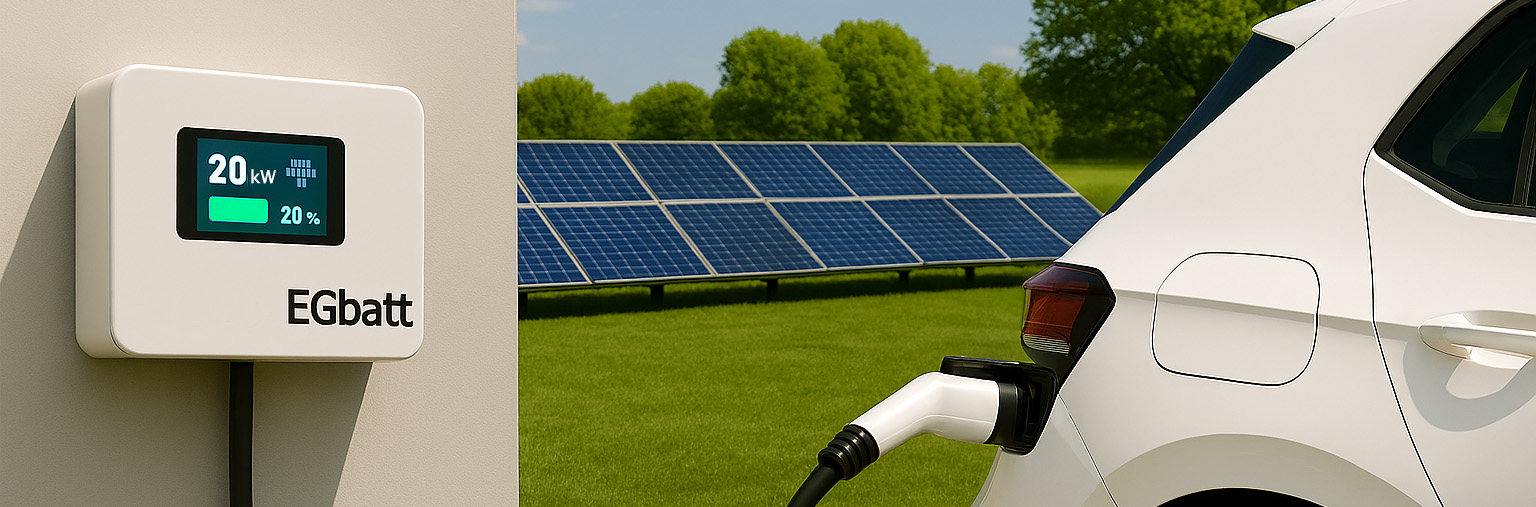
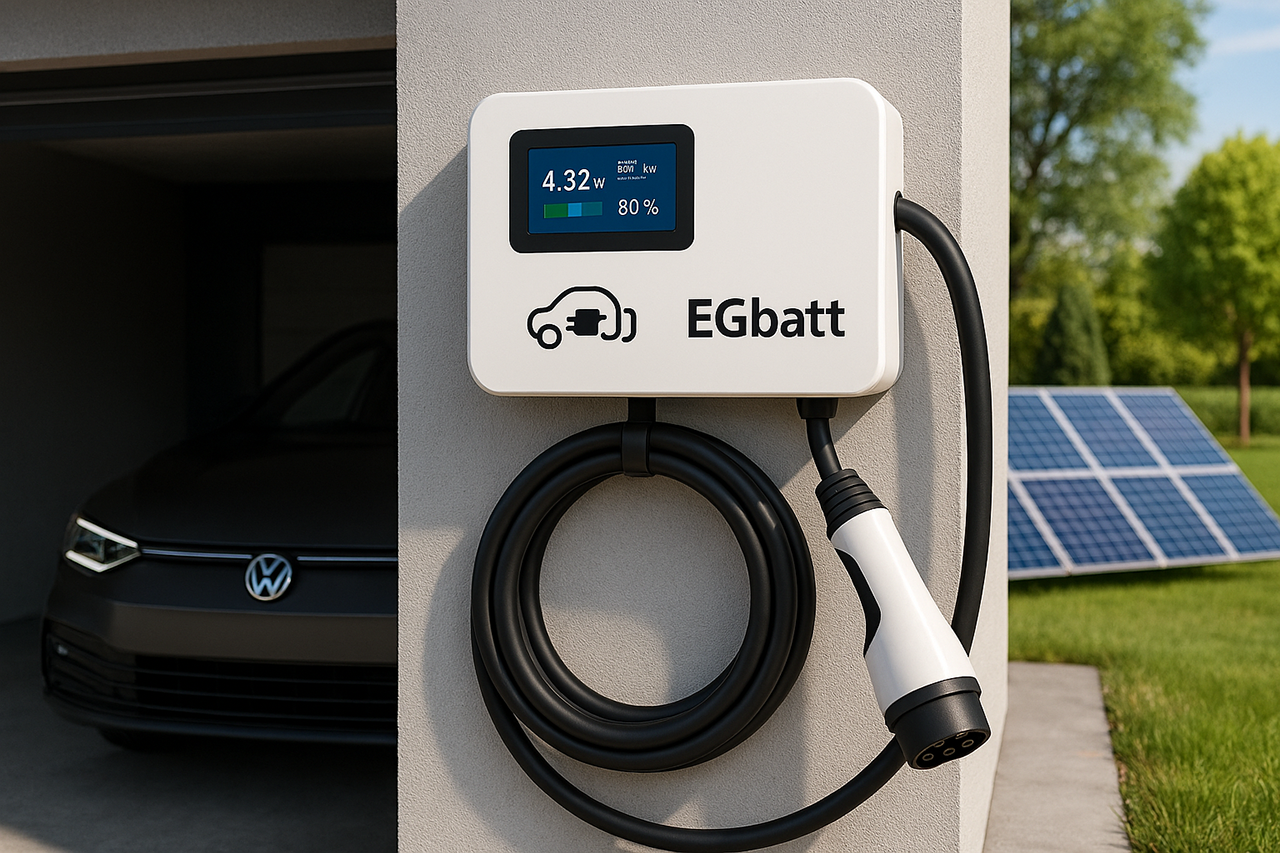
Charge electric vehicles directly from solar panels using DC power. This inverter-less EV fast charger connects photovoltaic arrays straight to the EV via an intelligent MPPT-controlled DC/DC stage — reducing energy loss, system cost, and complexity.
Key highlights (scan-friendly):
- Direct solar DC input, no AC inverter required
- Built-in MPPT for optimal solar harvesting
- Available in 20 kW (single MPPT) and 40 kW (dual MPPT)
- Designed for residential, commercial, and OEM applications
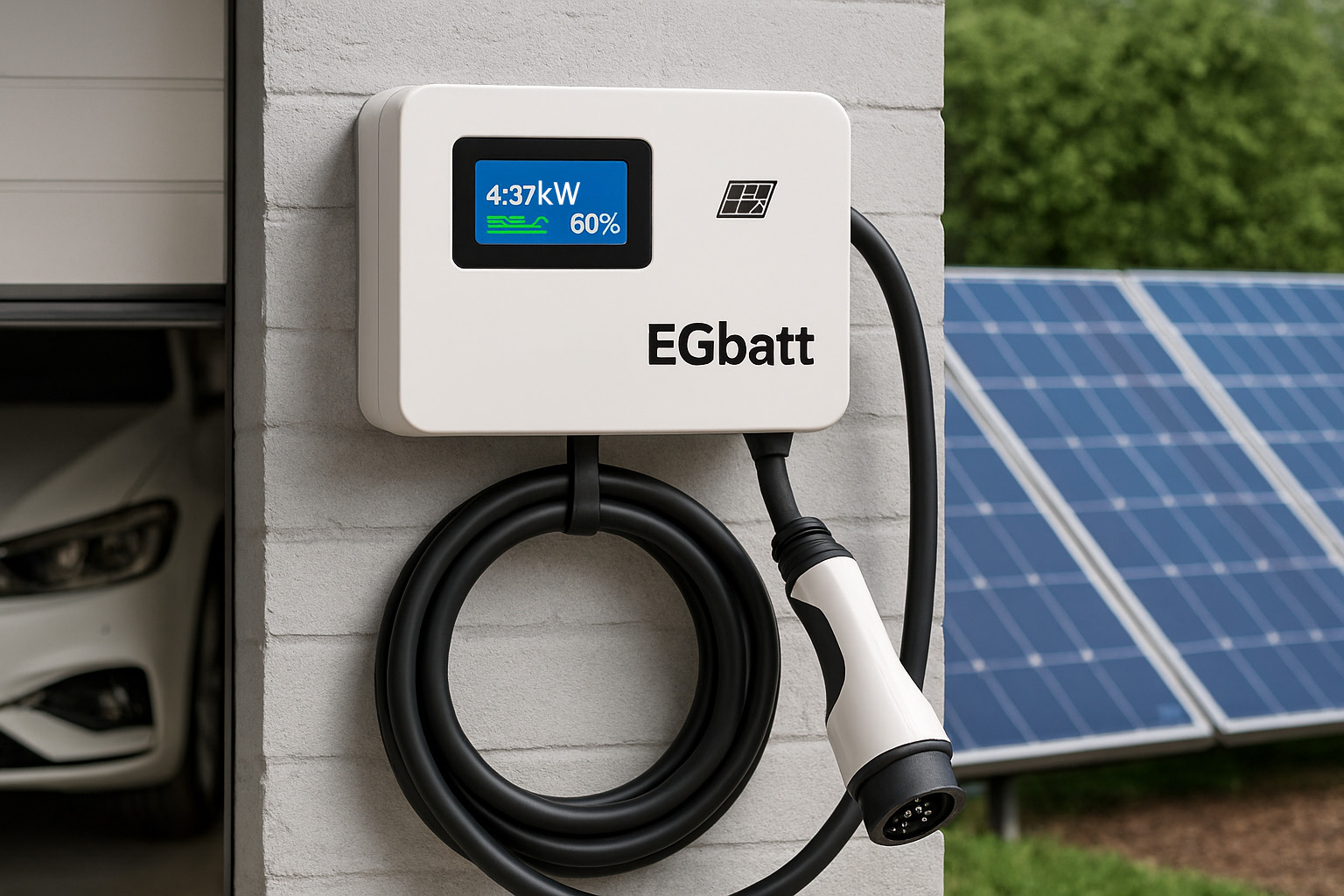
What is EGbatt Solar DC EV Fast Charger
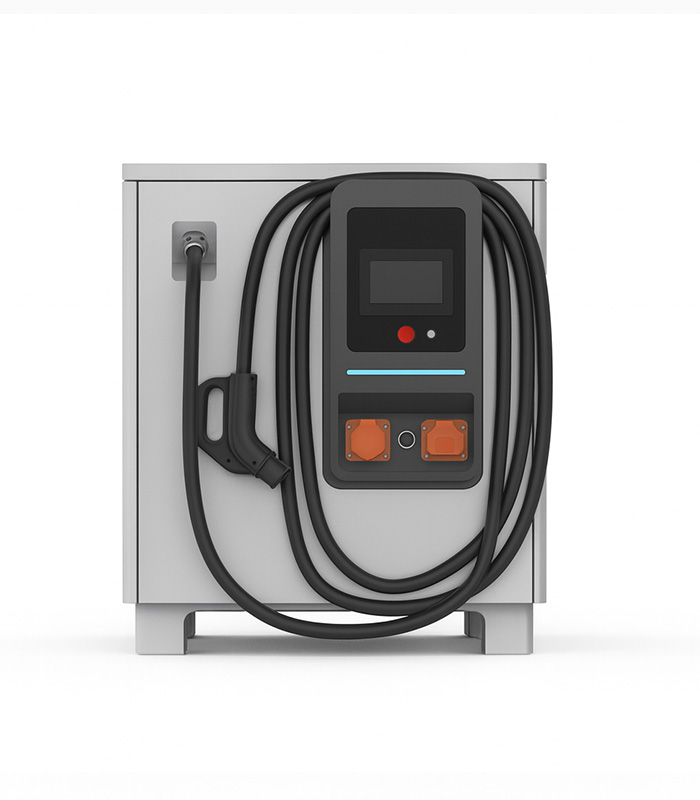
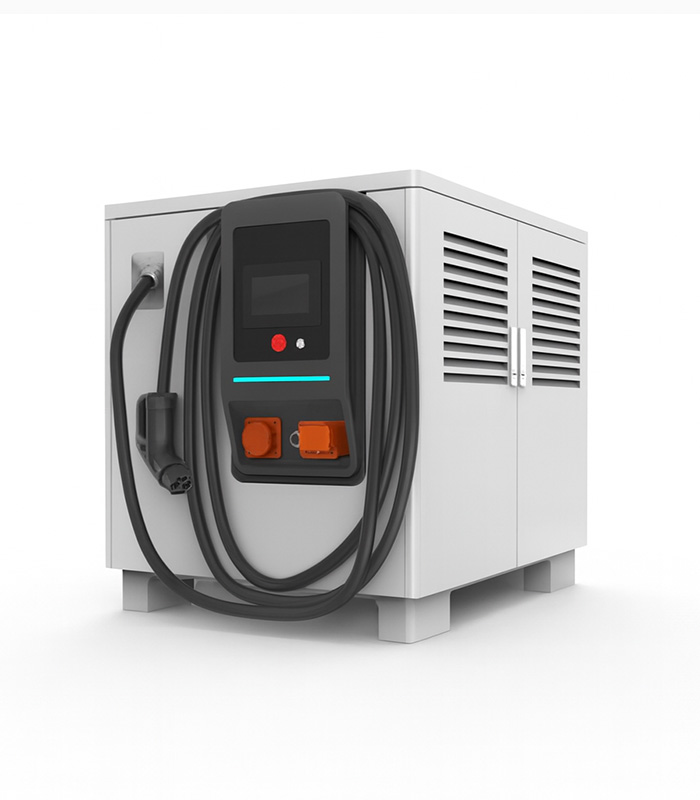
The Solar DC EV Fast Charger is a DC-coupled electric vehicle fast charging system that allows electric vehicles to be charged directly from photovoltaic (PV) solar panels using high-voltage DC power. Unlike conventional EV chargers that require an AC inverter, this solution eliminates the DC–AC–DC conversion process, improving efficiency and reducing system complexity.
This product integrates a high-performance MPPT-controlled DC/DC conversion stage that matches solar PV output directly to the EV battery’s DC charging requirements. Solar energy is harvested in real time and delivered to the vehicle through a DC fast charging interface, enabling true PV-to-EV charging.
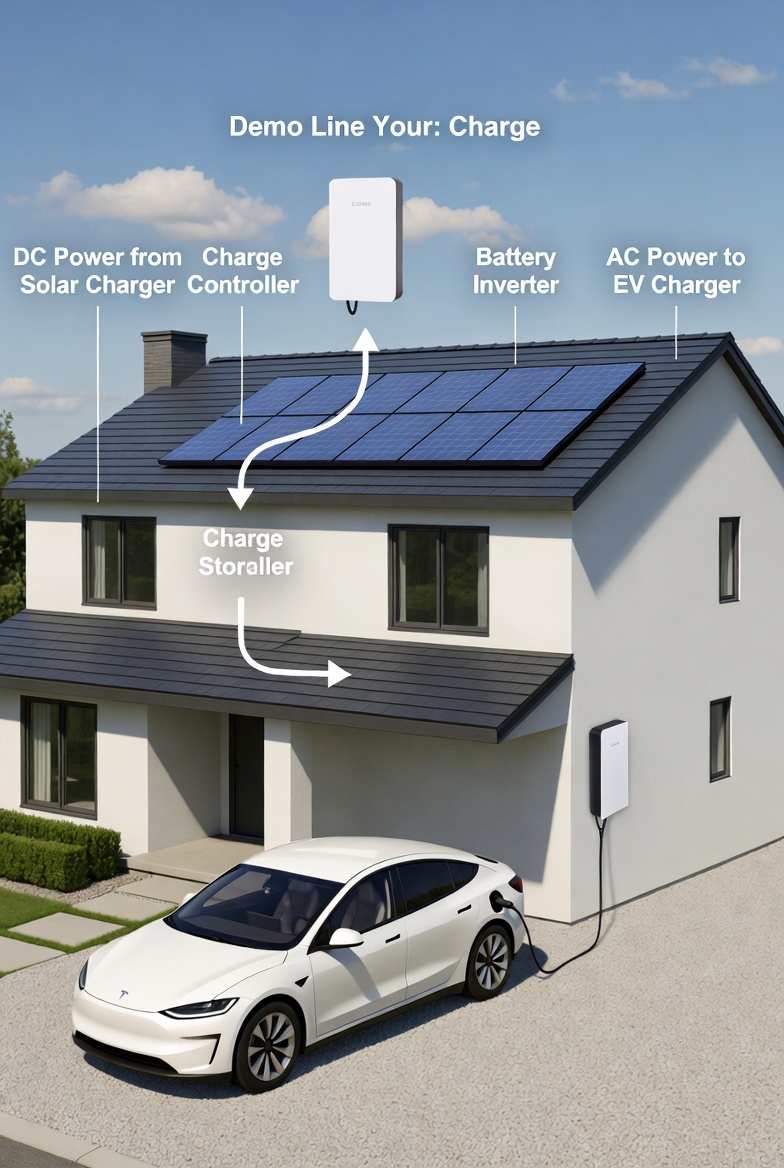
The system is designed for solar-first operation and can be deployed in off-grid, grid-assisted, or hybrid energy architectures. It is suitable for residential solar EV charging, commercial charging stations, and OEM-integrated EV charging solutions.
How a Solar DC EV Fast Charger Works
In a solar DC EV charging system, solar panels generate DC electricity that is fed directly into the charger’s high-voltage MPPT-controlled DC/DC conversion stage. The charger continuously tracks the maximum power point of the PV array and dynamically adjusts voltage and current to match the EV battery’s charging requirements.
The result is a DC-coupled EV charger that converts solar energy only once before delivering it to the vehicle — significantly improving system efficiency compared to AC-coupled solar EV charging systems.
What makes it different from traditional EV chargers:
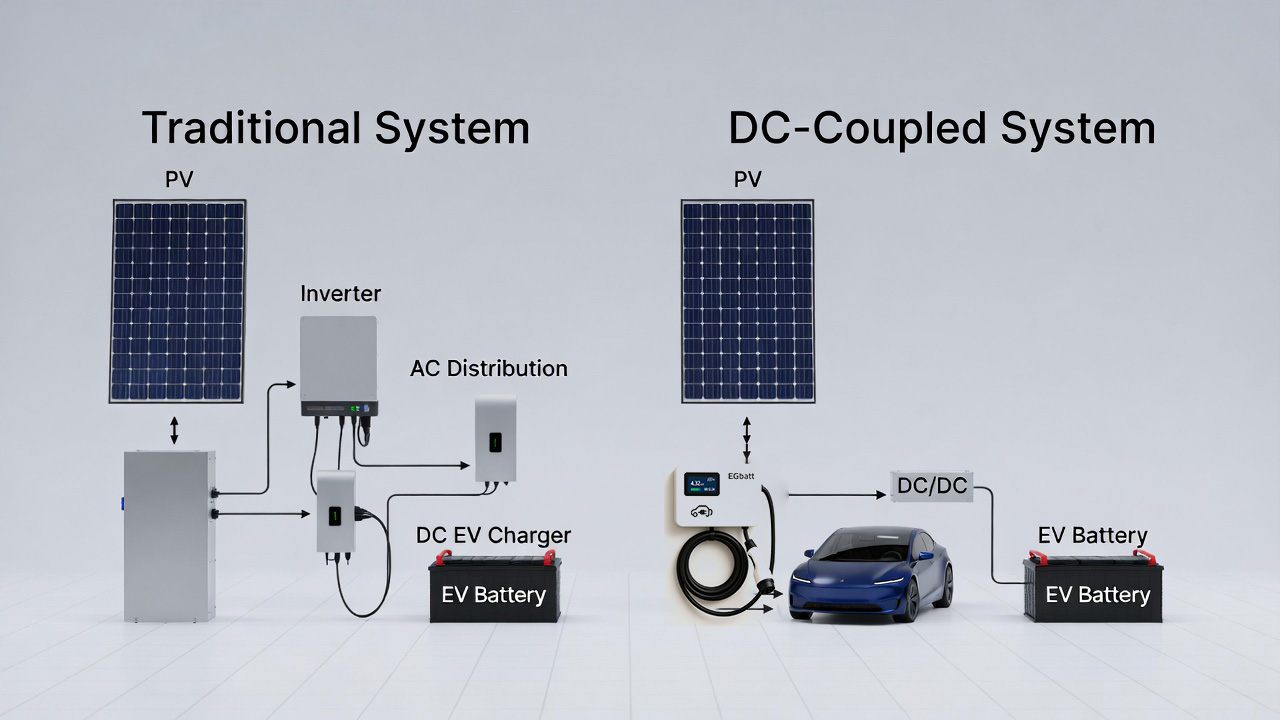
Most existing solar EV charging solutions follow an AC-coupled architecture:
PV → DC/AC Inverter → AC Distribution → AC or DC EV Charger → EV Battery
Each conversion stage introduces energy loss, higher equipment cost, and increased system complexity. A Solar DC EV Fast Charger removes the inverter entirely, enabling true direct solar DC EV charging.
- No AC inverter required between PV and EV
- Direct DC energy path from solar panels to vehicle
- Higher overall system efficiency
- Lower balance-of-system cost
- Simplified architecture for solar EV charging
Why Direct DC Solar Charging Matters
The problem with conventional solar EV charging:
Most solar EV charging systems today follow a multi-stage conversion path: solar panels generate DC power, which is converted to AC by an inverter, and then converted back to DC by the EV charger. Each conversion stage introduces energy loss, additional hardware cost, and system complexity.
The DC-coupled advantage:
By keeping solar energy in DC form from generation to vehicle charging, a Solar DC EV Fast Charger significantly reduces conversion losses and improves the utilization of on-site solar generation.
Key benefits:
- Higher end-to-end efficiency compared to AC-coupled systems
- Better daytime solar utilization for EV charging
- Reduced heat generation and power electronics stress
- Lower system complexity and maintenance requirements
Applications

Residential Solar EV Charging
Direct use of rooftop solar Reduced electricity bills Suitable for off-grid or hybrid homes
Commercial & Charging Stations
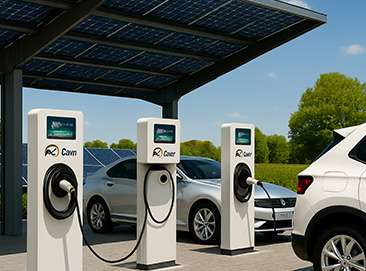
Lower grid dependency during daytime charging Improved return on solar investment Ideal for solar-assisted fast charging sites
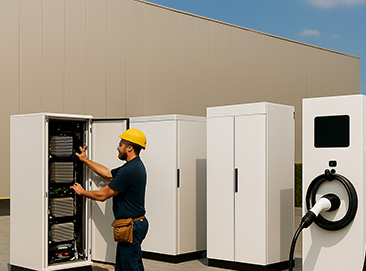
OEM & System Integration
Modular DC architecture Suitable for custom EV charging solutions Supports platform-based integration
Specifications Datasheet
| Category | Parameter | Description | Units |
| Electrical | Maximum Rated DC Power Output | 20/40 | kW |
| CharIN DC CCS Power Class | DC 10 | ||
| Output Voltage (to EV) | 200Vdc to 750Vdc | Vdc | |
| Input Voltage (710V nominal) | 260Vdc to 720Vdc | Vdc | |
| MPPT suggest Voltage | 600Vdc-720Vdc | Vdc | |
| Maximum DC Output Current | 41A / 82A | A | |
| Efficiency | >99 average | % | |
| Protections | Over/Under Voltage | Input & Output | Yes |
| Input Brown-Out | Protection included | Yes | |
| Over Current / Short Circuit | Output protection | Yes | |
| Over Temperature | Protection included | Yes | |
| Insulation Fault Detection | Protection included | Yes | |
| Environmental | Operating Temperature | -35 to 50 / -31 to 122 | °C / °F |
| Relative Humidity | 95 (non-condensing) | % | |
| Cooling | Forced Air | ||
| Operating Altitude | 0 to 2,000 / 0 to 6,562 | m / ft | |
| Enclosure Rating | IP65 NEMA 4X (indoor/outdoor) | ||
| Mechanical | Size (W x H x D) | 490*160*400 | mm |
| Weight | 30/60 | kg | |
| Cable Length | 7.6 / 25 | m / ft | |
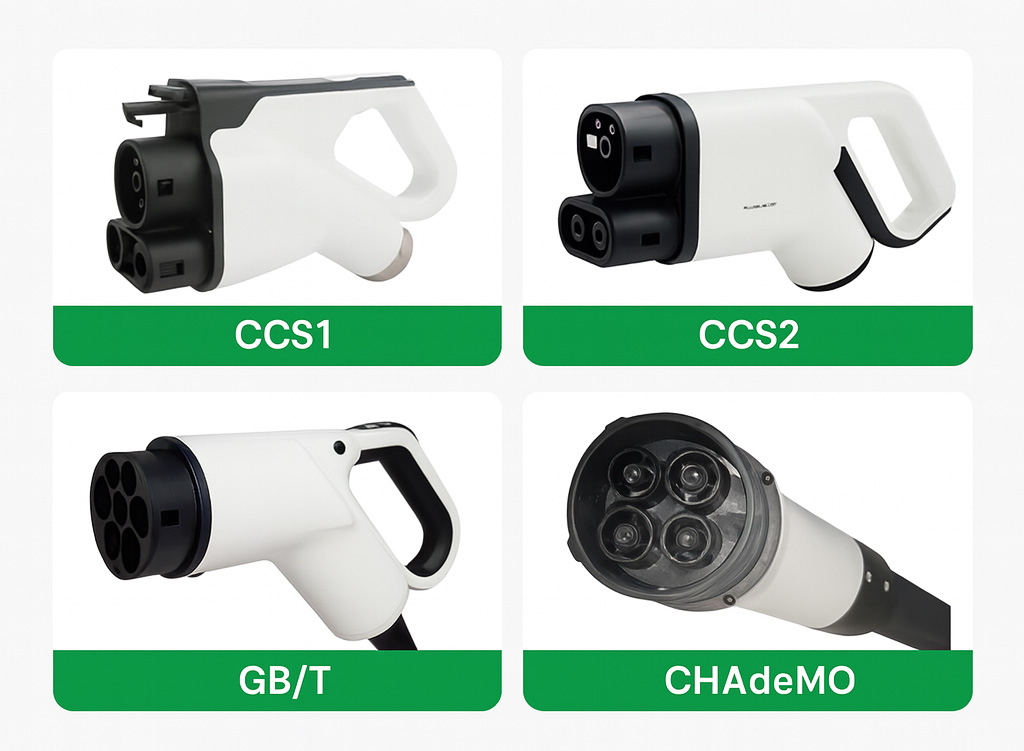
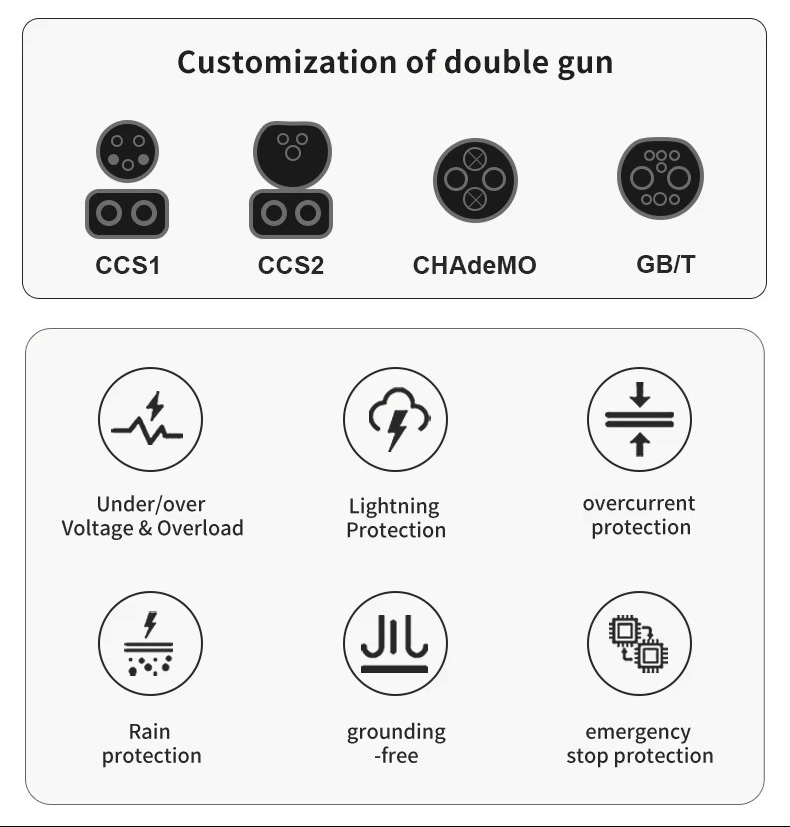
| Dispenser Nozzle | CCS-1 (-CCS1) or NACS (-NACS)/CCS-2/ EN61851、EN62196、ISO15118、DIN70121,CHAdeMO,GB/T18487、GB/T20234、GB/T27930 | ||
| Compliance | Safety Standards | UL Ready | |
| EMC | FCC Part 15 Class A | ||
| Communication Standards | ISO 15118-2/-20, OCPP 1.6/2.0.1, DIN 70121 | ||
| Misc. | Reset Button | External | Yes |
| Wired Communication | Ethernet (100 MB), RS-485 (Modbus), CAN bus | ||
| Wireless Communication | Optional WiFi, BLE, or Cellular |
Why this matters for different users
Traditional System:
PV → Inverter → AC Distribution → DC EV Charger → EV Battery
DC-Coupled System:
PV → MPPT → DC/DC → EV Battery
- Homeowners: Use more self-generated solar energy and reduce grid dependence
- Charging station operators: Lower operating costs and improved solar ROI
- OEMs & system integrators: Cleaner architecture for scalable DC energy platforms
A Solar DC EV Fast Charger eliminates unnecessary conversions by maintaining solar energy in DC form from generation to vehicle charging. This approach is known as direct solar EV charging or DC-coupled EV charging.
Key Features & Benefits
- Direct PV-to-EV DC Charging
Uses solar-generated DC power directly to charge EVs, without relying on an AC inverter. - Built-in MPPT Control
Optimizes solar energy harvesting under varying irradiance conditions. - High-Efficiency DC-Coupled Architecture
Reduces conversion losses and improves overall system efficiency. - Solar-First, Grid Optional
Solar power is prioritized, while grid power or battery storage can assist when required. - Standard DC Fast Charging Interface
Compatible with mainstream EV DC fast charging standards (CCS-ready).
Inquiry for bulk order Price
Why EGbatt
EGbatt is a manufacturer specializing in advanced battery and DC energy systems. We focus on product development and manufacturing, providing reliable hardware platforms for distributors, charging operators, and OEM partners.
Key bullets:
- Factory-direct supply
- OEM & customization support
- Focused on DC energy systems
Safety & Reliability
Key points:
- Integrated DC protection mechanisms
Designed according to EV charging safety requirements
Industrial-grade power electronics design
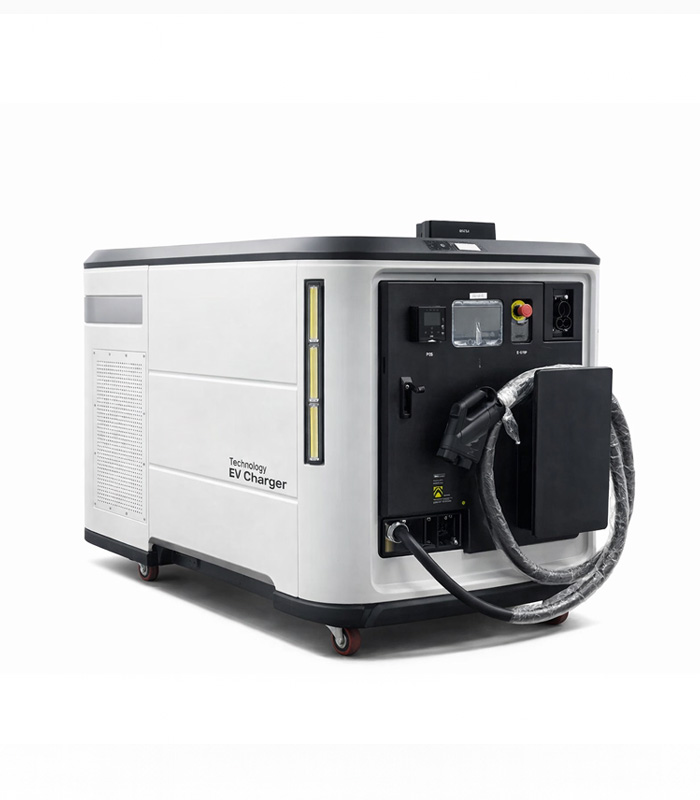
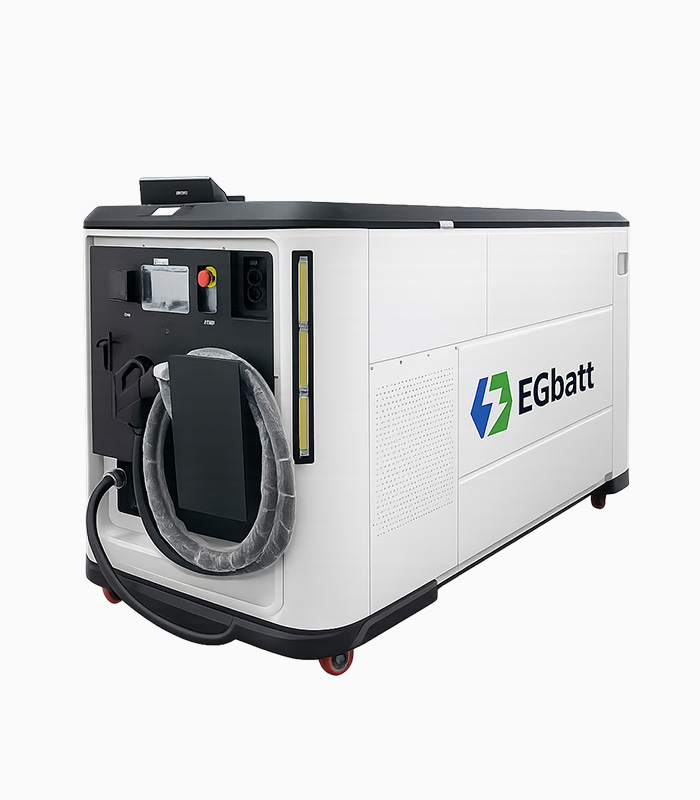
Mobile Off grid EV charging with integrated lithium battery
The EGbatt Stackable EV charging station is a fully integrated DC battery system designed for residential and commercial use, specifically for electric vehicles (EVs). Its rechargeable lithium iron phosphate battery pack serves multiple purposes, including energy storage for EVs, solar self-consumption, time-based control, and backup power.
The stackable EV charging station offers a straightforward interface, making it easy to connect to any type of EV or home building. Its innovative and compact design leads the market in terms of energy density and is simple to install. Each module comes equipped with an independent Battery Management System (BMS), allowing owners to quickly experience the advantages of reliable emergency clean power. With this system, you can bring energy to your vehicle whenever and wherever it's needed.