

Blog
Yixiang 12V 314Ah Battery Review: Will Prowse Tests Budget LiFePO4

Yixiang 12V 314Ah Battery Review:
Will Prowse Tests Budget LiFePO4 (Major Issues Revealed)
The Yixiang 12V 314Ah “Budget” Battery has generated significant interest in the DIY solar community as an affordable pre-assembled LiFePO4 option using premium EVE cells. In his January 2026 video “NEW! Yixiang 12V 314Ah ‘Budget’ Battery,” Will Prowse from DIY Solar Power conducts a thorough hands-on review, assembly, overload testing, and capacity testing of this 3.2kWh (nominal) battery box kit. Priced as a budget-friendly choice with Grade A EVE 314Ah prismatic cells and a JK 200A BMS featuring touchscreen and Bluetooth, it promises high capacity in a compact 12V form factor. However, Will’s detailed testing uncovers multiple performance and safety issues that significantly impact its real-world usability.
Unboxing and Assembly
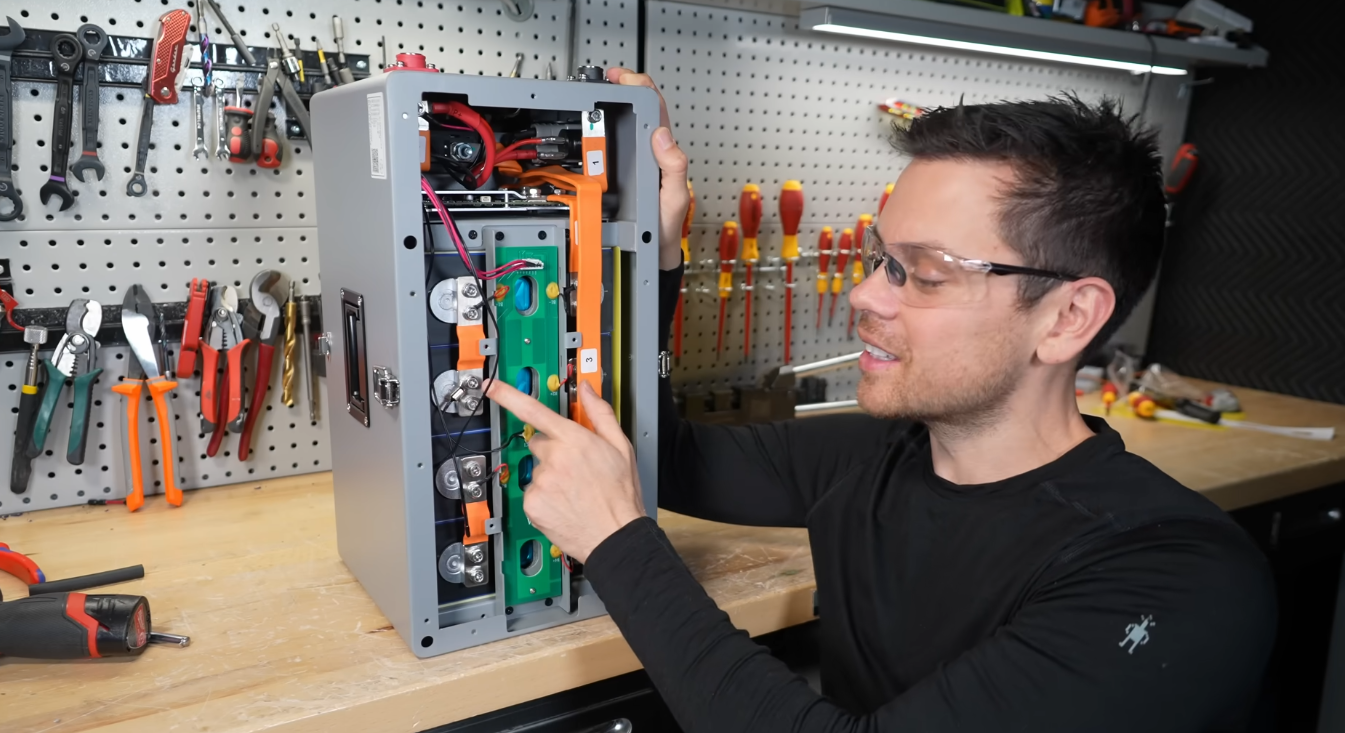
The video begins at 0:00 with assembly of the Yixiang battery box kit. It comes as a DIY-style kit containing:
- 4× EVE 314Ah Grade A prismatic LiFePO4 cells (4S configuration for 12.8V nominal)
- JK 200A smart BMS with 4.3-inch touchscreen display
- Bluetooth app monitoring
- CAN/RS485 communication ports
- Built-in fuse and heavy-duty terminals
The enclosure is noticeably larger and heavier than many competing 12V 314Ah batteries because of the oversized BMS, display, fuse holder, and extra space for wiring. Assembly involves installing the cells, connecting busbars, wiring the BMS, and mounting the touchscreen. Will notes the build feels solid at first glance but quickly identifies several manufacturing and quality control issues during setup.
Overload Test and Immediate Problems (Timestamp 1:10)
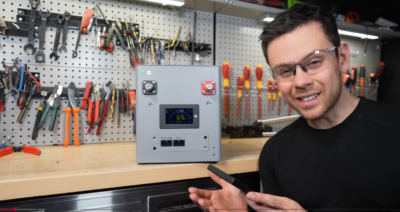
At 1:10, Will performs a high-current overload test to verify the 200A continuous rating. Results are disappointing: the 200A fuse blows almost immediately, the touchscreen pops loose from its mount, and visible damage occurs to the fuse holder. This raises immediate safety concerns about undersized components and poor mechanical securing.
Problems Galore: Detailed Issues Discovered (Timestamp 2:21)
Will spends considerable time listing multiple flaws:
- Disconnected or improperly wired temperature sensors
- Incorrect BMS programming (factory default set for 8 cells instead of 4S)
- Undersized 200A fuse (recommended minimum 250A+ for 314Ah cells at high discharge)
- Unfused negative side outlet wire that risks melting under load
- Loose touchscreen mounting
- Lack of proper low-temperature charging protection (critical for LiFePO4 safety)
- MOSFETs overheating quickly, triggering protection well before reaching rated 200A continuous
These issues point to rushed production or inadequate quality control in this budget model.
Performance Testing and Capacity Results
After adjusting BMS settings (setting charge current to 200A, extending overcurrent delay to 10 seconds), Will runs multiple discharge tests. The results are concerning:
- First discharge under moderate load: only ~139Ah delivered
- Second run: ~106Ah
- Total usable capacity across tests: approximately 245Ah (well below the rated 314Ah)
The BMS shuts down early due to MOSFET over-temperature protection, preventing full capacity utilization. Voltage sag is higher than expected, efficiency is lower, and the battery struggles to sustain high continuous currents despite the JK 200A BMS rating.
Will compares these results to better-performing alternatives like the WattCycle 12V 314Ah, which handles loads more reliably in his prior tests.
Pros and Cons of the Yixiang 12V 314Ah Battery
Pros:
- Uses genuine EVE 314Ah Grade A cells (excellent cell quality)
- Feature-rich JK BMS with large touchscreen, Bluetooth app, and communication protocols
- Potentially good value if issues were resolved
- Supports inverter communication (CAN/RS485)
Cons:
- Multiple manufacturing defects (loose screen, disconnected sensors, wrong BMS settings)
- Severe underperformance in capacity tests (only ~78% of rated capacity delivered)
- Safety risks: blown fuse, overheating MOSFETs, unfused wires
- Poor high-current capability (fails to reach 200A continuous)
- Larger and heavier than competing 12V 314Ah batteries
- Missing low-temp charging protection
Better Alternatives: EGbatt 12V LiFePO4 Options
For users seeking a reliable 12V 314Ah-class battery, EGbatt offers several strong alternatives. Their 12V 314Ah models (or similar 300–320Ah versions) use premium Grade A cells (EVE, CATL, or BYD) with robust built-in BMS featuring accurate temperature sensing, low-temp charging cutoff, and heaters in colder-climate versions. These units typically deliver full rated capacity (300+Ah in real tests), support sustained 200A+ discharge, and come with cleaner internal assembly and longer warranties.
EGbatt’s vertical or box-style 12V batteries also provide better thermal management and more consistent performance for RV, marine, or off-grid applications. While priced higher than the Yixiang budget option, they offer greater peace of mind and longevity for daily use.
Final Verdict from Will Prowse
At the 8:02 conclusion, Will states clearly that this particular Yixiang 12V 314Ah “budget” model has too many reliability, safety, and performance issues to recommend for serious use. He suggests waiting for potential revisions or choosing proven alternatives like WattCycle or higher-quality brands.
Common Questions
- What was the real capacity? Tests showed only ~245Ah total usable (139Ah + 106Ah) vs. rated 314Ah.
- Is the JK 200A BMS good? The BMS hardware is capable, but factory programming errors and cooling/implementation issues limit performance.
- Is it safe to use? Multiple safety concerns (fuse blow, overheating, unfused wires) make it risky without modifications.
Watch the full video here: https://www.youtube.com/watch?v=UC9JCM0T7RQ
This review is based directly on Will Prowse’s testing and analysis. For budget 12V LiFePO4 batteries, thorough independent testing like this remains essential before purchase.
