

EG4 Gridboss21 & EGbatt 80kWh Review: Achieving Full Energy Independence with a Split-Phase Powerhouse

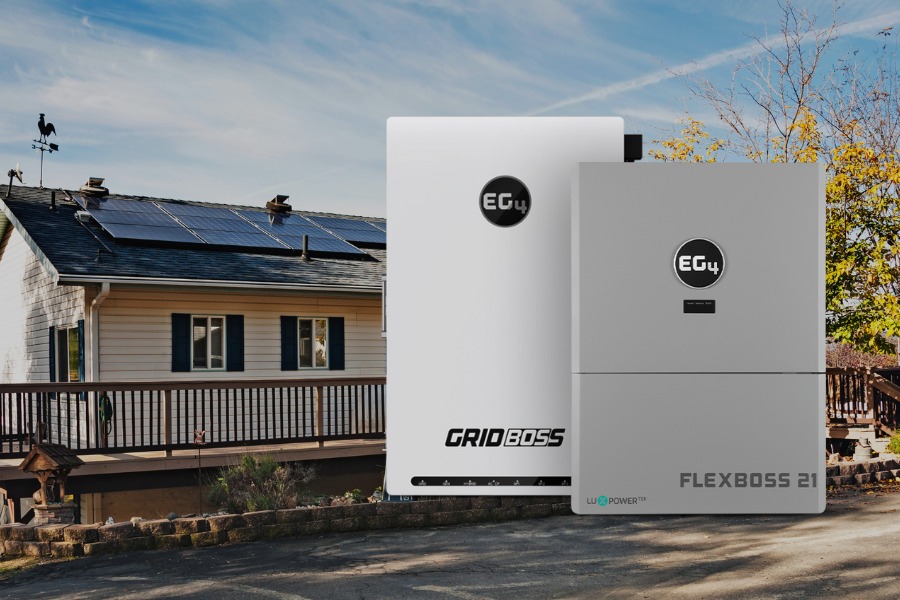
For homeowners seeking true energy independence, the combination of a robust hybrid inverter and a substantial battery bank is the ultimate solution. After extensive research and a successful installation, I can confidently say that pairing the EG4 Gridboss21 21kW split-phase inverter with five EGbatt 16kWh batteries to create an 80kWh solar storage system has been transformative. This detailed review covers my journey from purchase to daily use, proving this setup is a top contender for reliable whole-home backup and maximum self-consumption.
System Design & Component Selection: Building for Resilience and Capacity
My primary goals were seamless whole-home backup during outages and drastically reducing my grid reliance. This required a system capable of handling my entire electrical load and storing enough energy to power through nights and cloudy days.
· The Inverter: EG4 Gridboss21 (21kW Split-Phase). The heart of the system is the EG4 Gridboss21 hybrid inverter. Its 21kW continuous output on a split-phase configuration (120V/240V) was non-negotiable for powering everything in my North American home, from sensitive electronics to large 240V appliances like well pumps and HVAC systems. As a hybrid inverter, it intelligently manages solar, battery, and grid power, making it perfect for both grid-tied and off-grid operation.
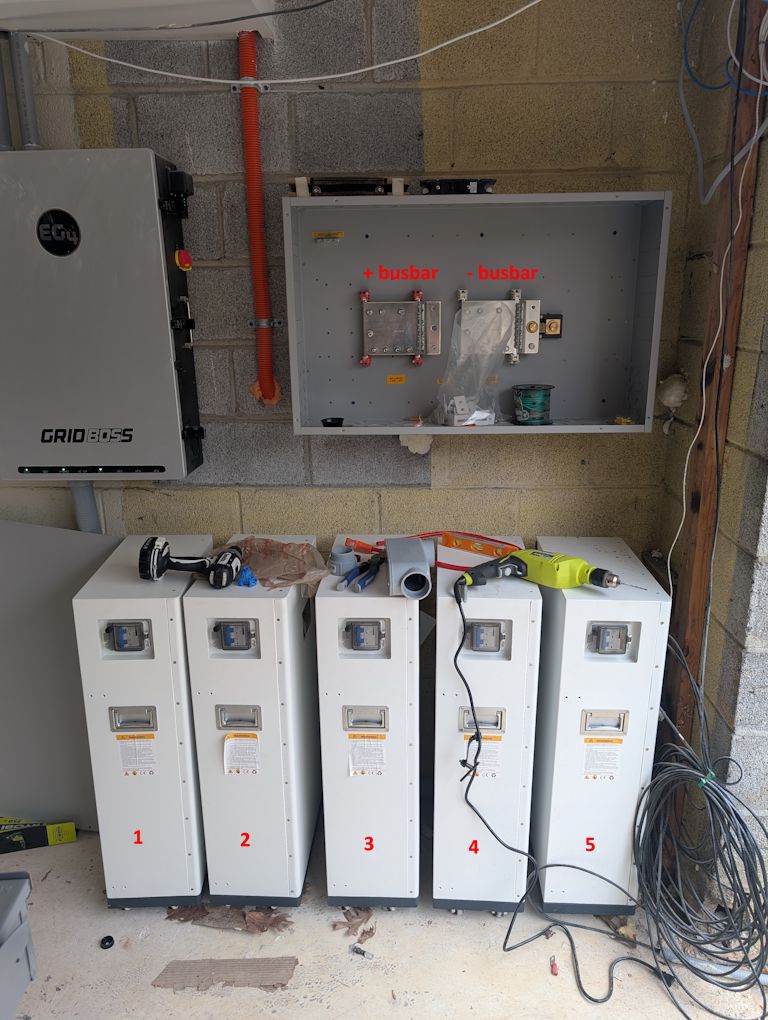
· The Battery Bank: EGbatt 51.2V 314Ah LiFePO4. For storage, I chose five EGbatt 16kWh rack batteries. Each unit is a 51.2V nominal, 314Ah capacity LiFePO4 (Lithium Iron Phosphate) battery, renowned for its safety and longevity. In parallel, they form a monolithic 48V battery bank with a staggering 80kWh of usable capacity. The wheeled, vertical design was a practical bonus, making placement and installation far easier than traditional rack systems.
· The Core Integration: CAN Bus Communication. A critical factor in my selection was confirmed CAN bus communication compatibility between the EG4 inverter and EGbatt batteries. This digital handshake allows the inverter to accurately read the battery management system (BMS) data—like state of charge (SOC), voltage, and health—ensuring optimal charging, discharging, and system longevity.
Purchase, Installation & Integration: A DIYer's Deep Dive
Purchase Experience: I sourced my components from a reputable online distributor specializing in DIY solar. Their pre-sales support was crucial in providing written confirmation of the CAN bus compatibility between these specific models. The EGbatt batteries, each a substantial 16kWh unit, arrived securely palletized, and their integrated wheels were a lifesaver for maneuvering them into my garage.
Physical Installation:
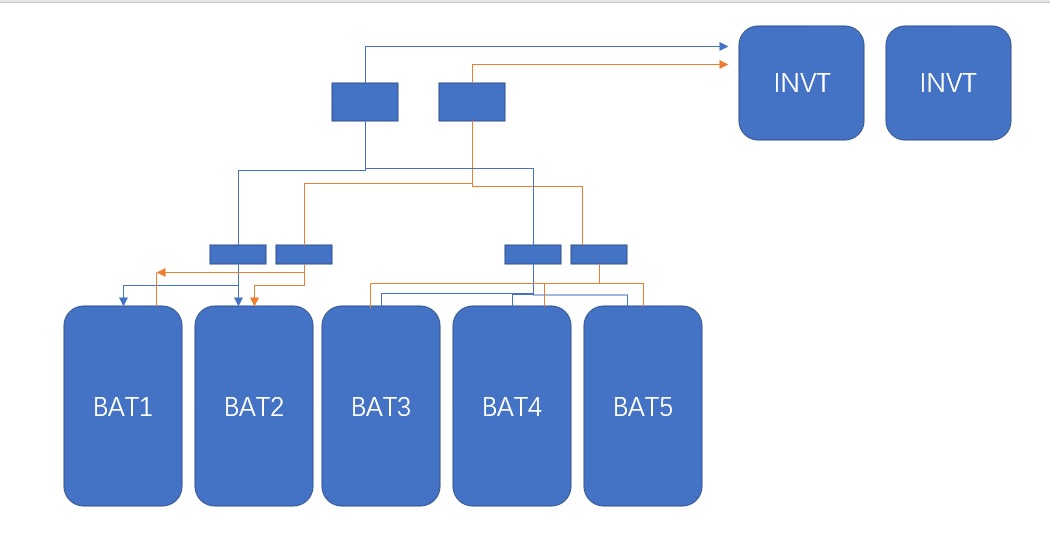
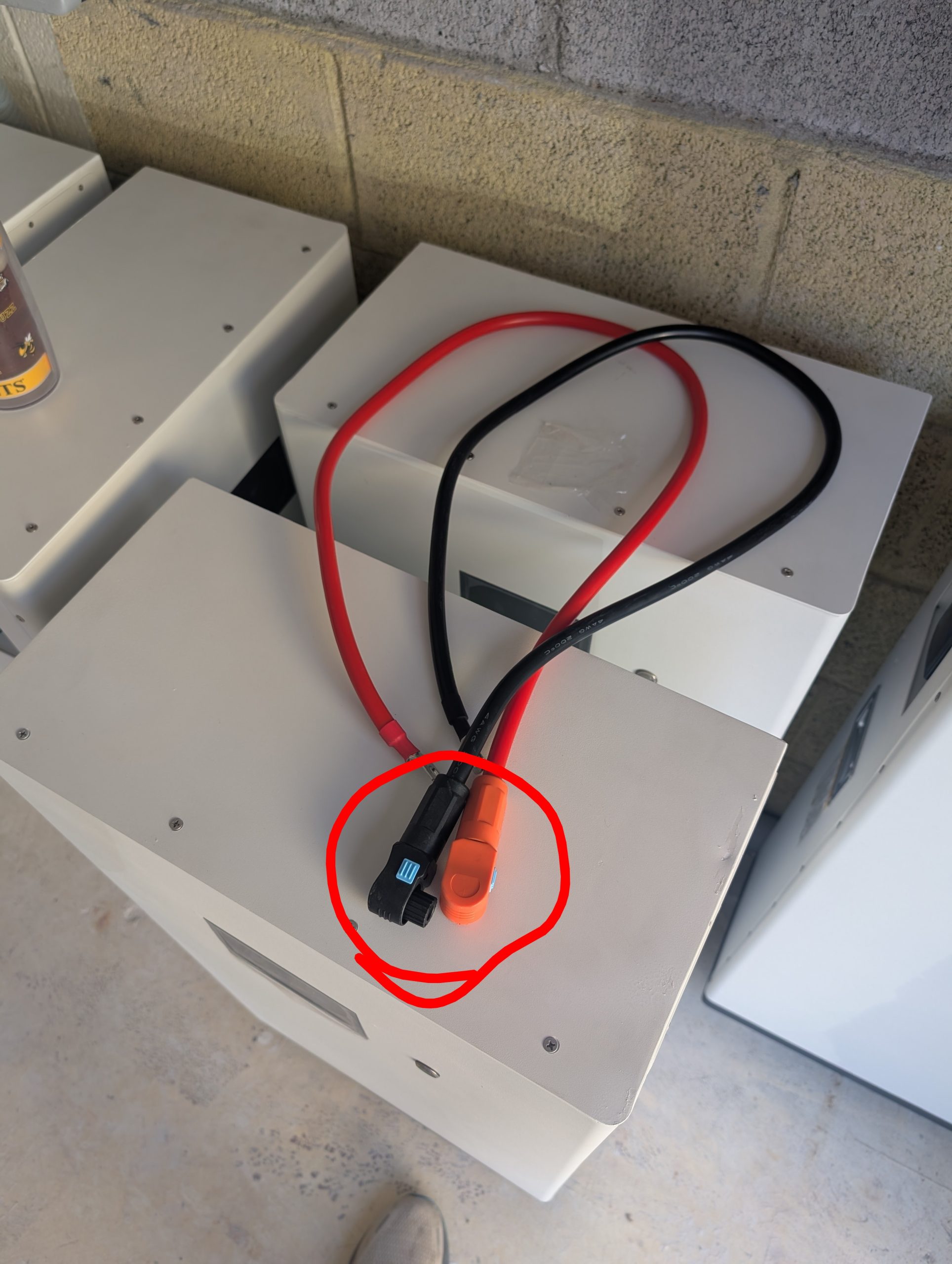
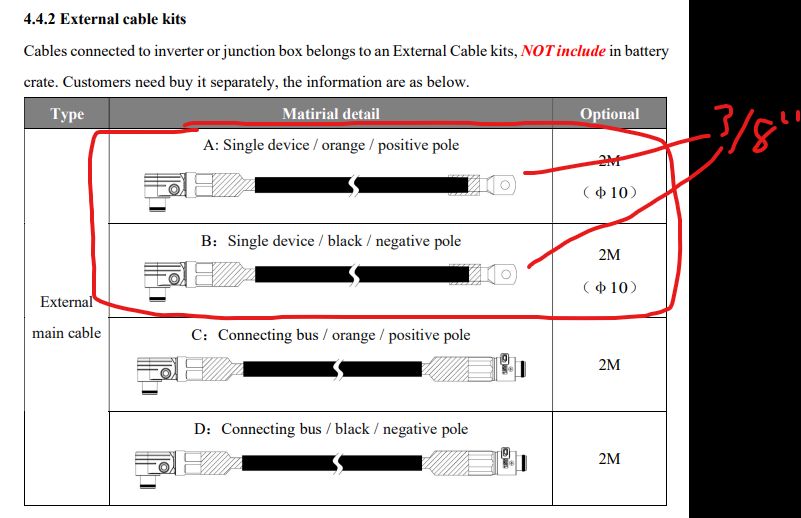
- Battery Setup: The five EGbatt units were arranged and connected in parallel using heavy-duty copper busbars to create the 80kwh battery bank.
- Inverter & Electrical: The EG4 Gridboss21 inverter was mounted near the main panel. A licensed electrician handled the critical task of integrating the critical loads panel and ensuring all grid-tied connections met local code, including the required rapid shutdown equipment for the rooftop solar array.
The Crucial Digital Handshake (CAN Bus Setup):
This was the moment of truth. Using manufacturer-provided cables, I connected the CAN bus ports in a daisy-chain topology: from the Gridboss21 inverter to the first EGbatt battery, then through the remaining units. The essential step was ensuring the 120-ohm termination resistors were enabled only at the two physical ends of the chain: the inverter and the final battery. Upon powering up, I navigated the inverter's menu to the battery type settings and selected "CAN" protocol. Instantly, the screen displayed accurate, real-time data from the entire 80kwh bank—a confirmation of perfect communication.
Performance & Real-World Testing: Putting the 80kWh to Work
The transition from installation to daily operation has been remarkably smooth. The system's performance over the first 10 days has solidified my confidence in the design.
· Daily Operation & Automation: The system primarily runs in "Self-Consumption" mode. The 21kW EG4 inverter seamlessly directs solar power to the home's loads, sends excess to charge the battery bank, and only pulls from the grid when the batteries reach a pre-set minimum (20% SOC). This happens automatically and invisibly.
· Key Performance Metrics:
· Energy Independence: During a typical 10-day period with mixed sun, the system achieved 92% energy self-sufficiency. The grid was used minimally, only during a prolonged rainy stretch.
· Battery Performance: The 80kwh LiFePO4 bank performs as a single, reliable unit. We routinely use 25-35kWh overnight, waking up with a 70-80% state of charge remaining—plenty of reserve for the next day.
· Inverter & Split-Phase Power: The EG4 Gridboss21 has effortlessly handled every load. Its split-phase output perfectly matches home utility power, and the 21000-watt rating provides ample headroom for simultaneous high-demand appliances without a flicker.
· The Ultimate Test: Grid Outage Simulation: By flipping the main breaker, I simulated a complete blackout. The inverter's transfer switch activated in less than 20 milliseconds—a seamless transition that didn't even reset digital clocks. The entire house, including 240V systems, continued running purely on solar and the massive 80kwh battery backup.
Final Verdict: Who is This EG4 & EGbatt System For?
Pros:
· Unmatched Capacity & Power: The 80kwh storage and 21kW split-phase output provide true, whole-home energy security.
· Flawless Integration: CAN bus communication ensures the inverter and batteries work in perfect harmony for efficiency and safety.
· Proven Reliability: In real-world use, the system delivers consistent, automated performance and flawless backup transition.
· Excellent Value: This combination offers tremendous capability per dollar compared to tier-1 consumer brands.
Cons/Considerations:
· Technical Complexity: This is not an off-the-shelf plug-and-play kit. It requires a solid understanding of high-voltage electrical systems, configuration, and safety protocols.
· DIY Integration Responsibility: As the system integrator, you are responsible for ensuring component compatibility and proper setup. Professional help for final grid connections is strongly advised.
Conclusion
The EG4 Gridboss21 21kW hybrid inverter paired with an 80kwh EGbatt LiFePO4 battery bank is a formidable solution for anyone serious about energy independence. It successfully bridges the gap between professional-grade performance and the DIY market. If you have the technical aptitude and are designing a system for whole-home backup and maximum self-consumption, this combination delivers exceptional power, capacity, and value. The peace of mind that comes with a resilient, split-phase power source and a massive 80kwh reservoir of stored energy is, ultimately, priceless.
