

2026 Megawatt Charging Systems (MCS): The Complete Guide to Heavy-Duty Fleet Electrification

2026 Megawatt Charging Systems (MCS): The Complete Guide to Heavy-Duty Fleet Electrification
Introduction: The Dawn of Megawatt Charging
The electrification of heavy-duty transportation has reached a critical inflection point. While passenger vehicle charging infrastructure has matured rapidly, the commercial trucking, logistics, and public transport sectors face unique challenges—massive battery capacities, tight operational schedules, and the need for minimal downtime. Enter the Megawatt Charging System (MCS) : an ultra-fast charging solution delivering 1,000 kW (1 MW) or more of power, capable of adding hundreds of kilometers of range in minutes rather than hours -1.
According to The Business Research Company, the global megawatt charging system market is projected to grow from $0.99 billion in 2026 to $2.2 billion by 2030, at a compound annual growth rate (CAGR) of 22.2% -1. Fortune Business Insights reports even more aggressive growth, forecasting a CAGR of 44.0% through 2034, reaching $3.03 billion -6. This explosive growth is driven by one undeniable force: the accelerating electrification of commercial fleets under tightening emission regulations and corporate sustainability commitments.
For fleet operators, logistics companies, depot owners, and infrastructure investors, understanding megawatt charging is no longer optional—it is essential for strategic planning. This comprehensive guide covers everything from technical standards and market data to implementation costs, ROI analysis, and future trends for 2026 and beyond.
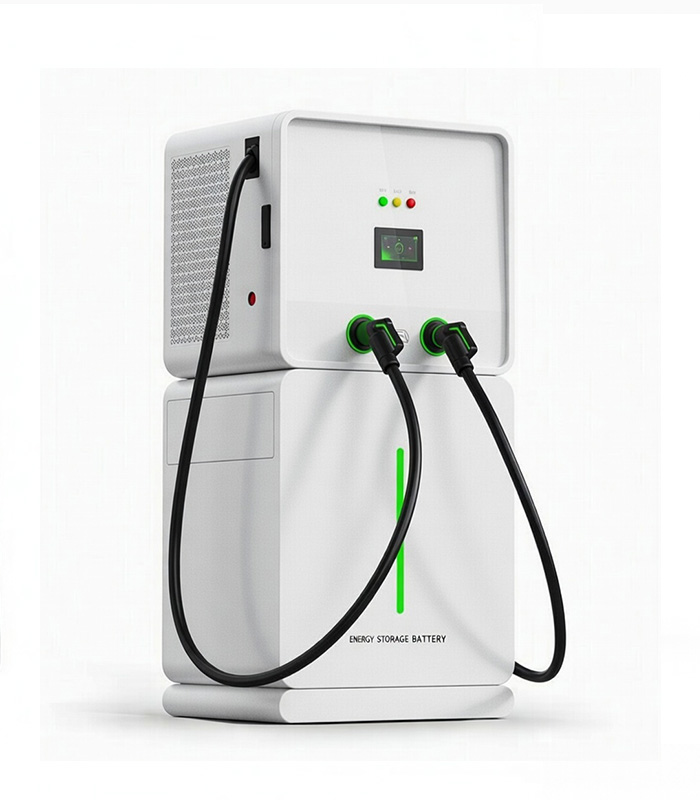
Chapter 1: What Is a Megawatt Charging System?
1.1 Definition and Core Technology
A megawatt charging system is an ultra-fast charging solution that provides extremely high-power DC charging, designed specifically for large-scale electric mobility applications -1. Unlike standard DC fast chargers (typically 50-350 kW), MCS delivers power at 1,000 kW (1 MW) or higher, enabling rapid energy transfer for heavy-duty electric vehicles including trucks, buses, off-highway machinery, and marine applications -3.
The core technology enables efficient charging in a significantly shorter time, ensuring dependable performance under demanding conditions while improving operational efficiency through advanced power delivery, reducing downtime and maximizing energy throughput -1.
1.2 Key Technical Specifications
The recently published IEC TS 63379 and SAE J3271 standards define the technical framework for MCS hardware -3-8:
| Parameter | Specification |
|---|---|
| System Voltage | Up to 1,500 V DC |
| Maximum Current | Up to 3,000 A |
| Power Output | 1.0 MW to 3.5 MW+ |
| Connector Standard | IEC TS 63379 / SAE J3271 compliant |
| Cooling | Liquid-cooled cables mandatory |
| Communication | ISO 15118 (Plug & Charge capable) |
The SAE J3271 standard encompasses five critical subtopics -8:
Electromechanical Coupler Specifications – physical connector design
Communication and Controls – digital handshake protocols
Cables, Cooling, and Automated Connection Systems – thermal management
Use Cases Including Grid Interconnection, Black Start, and Bidirectional Power Transfer – advanced functionality
Interoperability Testing Requirements and Test Procedures – validation protocols
1.3 Product Types: Stationary vs. Mobile Systems
The market segments into two primary product categories -1:
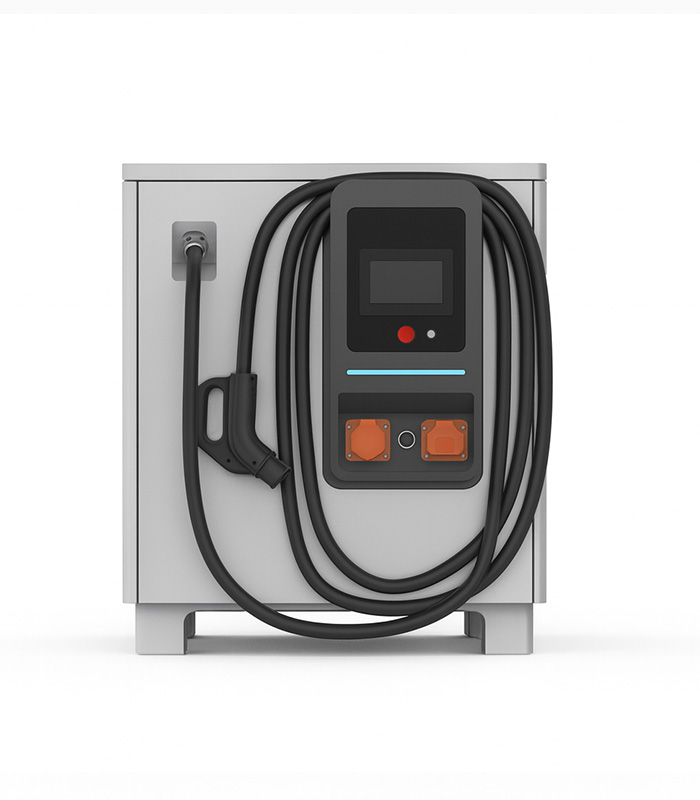
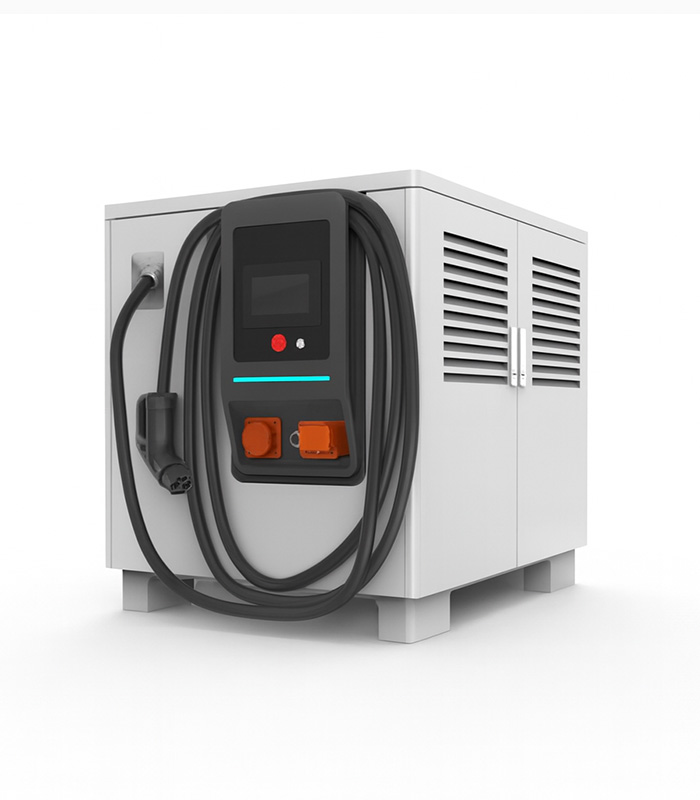
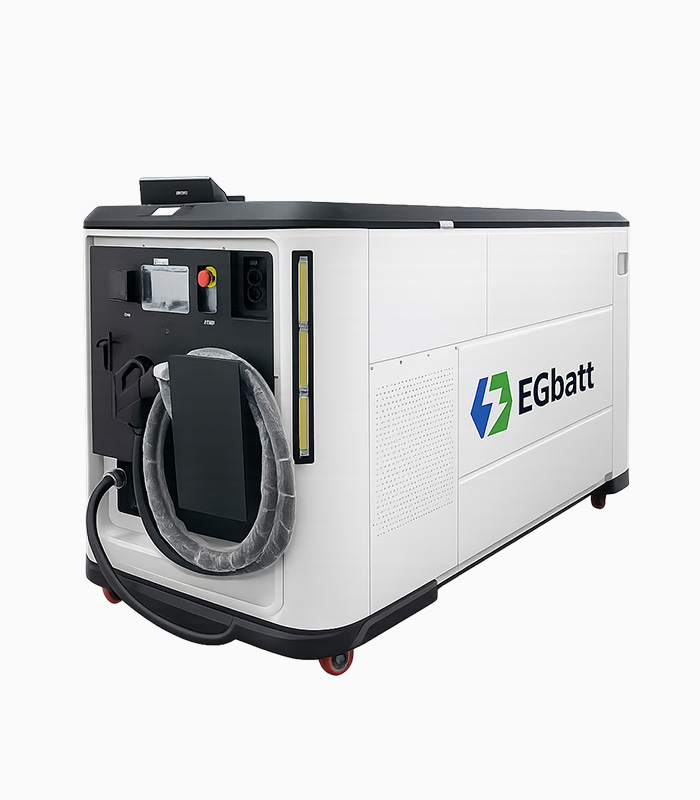
Stationary Charging Systems: Fixed installations providing high-power charging at dedicated sites—depots, logistics hubs, highway rest areas, and ports. These systems ensure rapid and dependable energy transfer for scheduled operations.
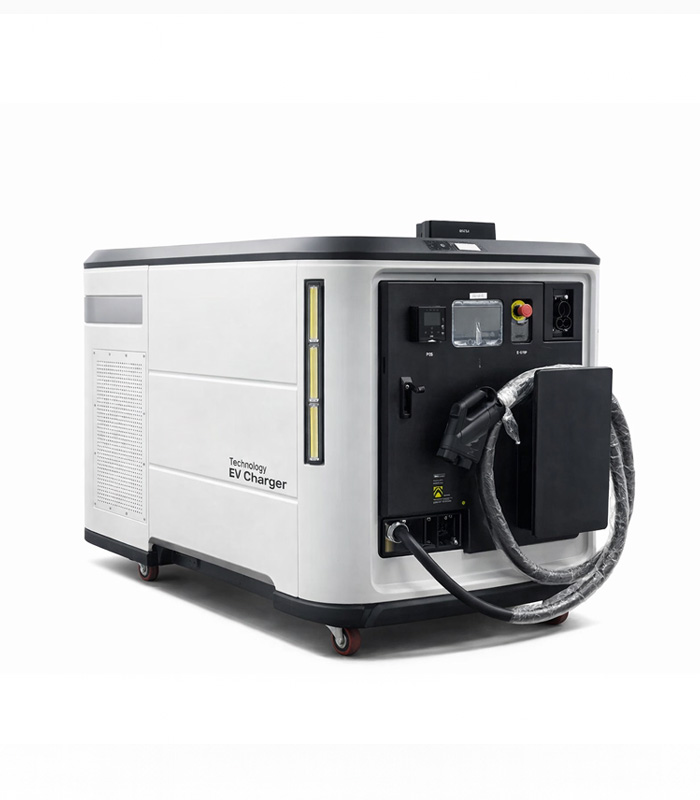
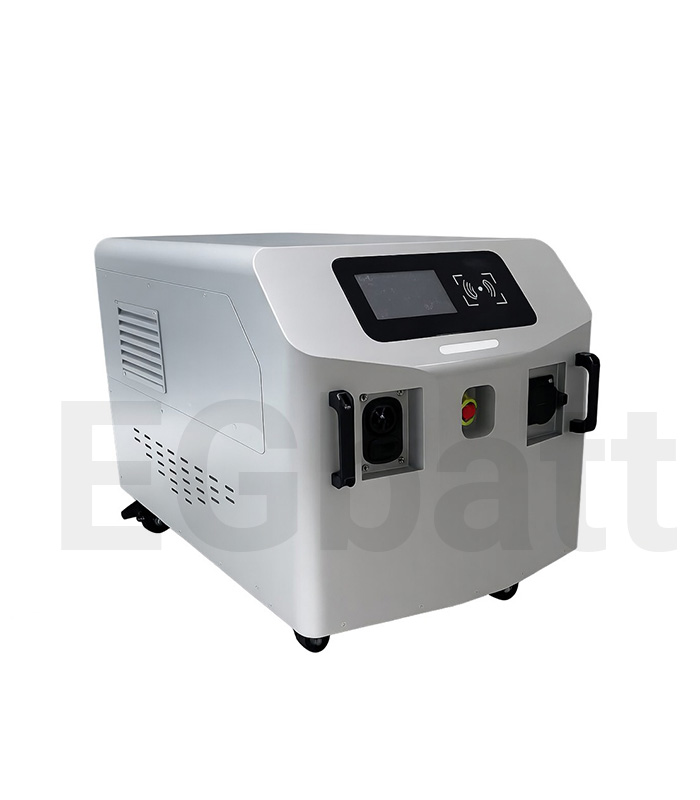
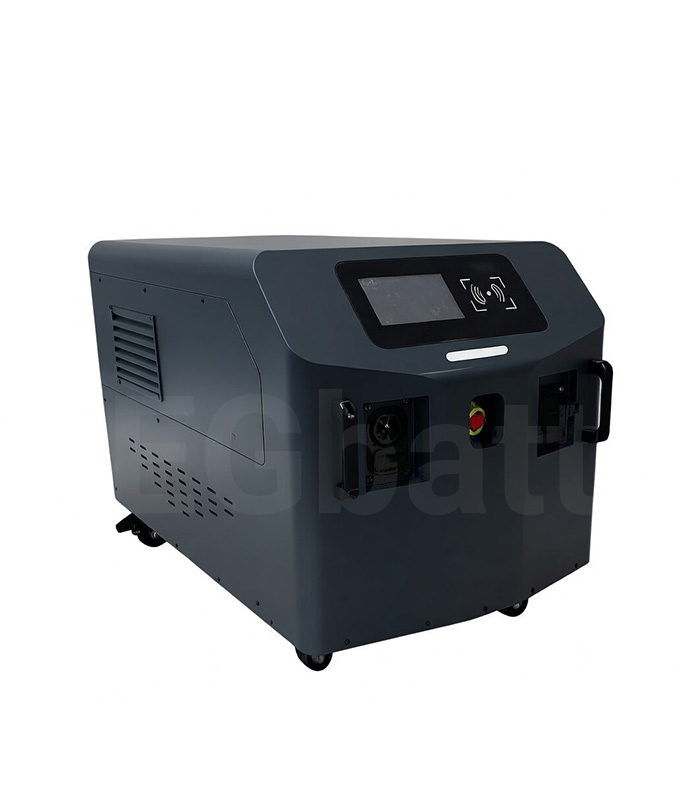
Mobile Charging Systems: Deployable units that can be relocated based on demand, ideal for temporary sites, emergency response, construction zones, or pilot programs before permanent installation.
Chapter 2: Market Size, Growth, and Regional Dynamics
2.1 Global Market Size (2026-2034)
Multiple market research firms confirm explosive growth trajectories for the MCS market:
| Source | 2025 | 2026 | 2030 | 2034 | CAGR |
|---|---|---|---|---|---|
| The Business Research Company | $0.81B | $0.99B | $2.2B | — | 22.2% (to 2030) -1 |
| Fortune Business Insights | $88.8M | $164.1M | — | $3,028.1M | 44.0% (to 2034) -6 |
*Note: The significant difference in 2025 baseline figures reflects varying market definitions and scope—Fortune Business Insights focuses specifically on heavy-duty commercial applications, while TBRC includes broader applications.*
2.2 Regional Leadership
North America was the largest region in the megawatt charging system market in 2025 -1.
Asia-Pacific is expected to be the fastest-growing region in the forecast period, driven by manufacturing leadership, aggressive electrification targets, and major players like BYD, Delta Electronics, and SINEXCEL -1-6.
Europe maintains strong growth driven by EU Regulation 2019/1242, which sets emission reduction targets of 30% for newly registered heavy vehicles by 2030 -7, and the Trans-European Transport Network (TEN-T) requirements for 350kW+ charging every 60km -7.
2.3 Key Market Drivers
1. Fleet Electrification Policies and Emission Regulations
The increasing demand for efficient fleet electrification is fueling market growth. U.S. commercial and government fleets are expected to deploy over four million electric vehicles by 2030 -1. Stricter emission regulations push operators toward low-carbon transport, ensuring compliance and minimizing future risks -1.
2. Total Cost of Ownership Advantages
Megawatt charging systems support efficient fleet electrification by delivering ultra-fast, high-power charging that reduces downtime and keeps large fleets on schedule, enabling rapid turnaround of heavy-duty EVs while ensuring reliable, scalable, and cost-effective zero-emission operations -1.
3. Technology Advancements
Companies are focusing on innovative solutions such as ultra-fast megawatt charging platforms. In March 2025, BYD introduced its Super e-Platform with 1,000 kW (1 MW) capacity, claiming 400 km (249 miles) of range in just five minutes—twice as fast as current leading chargers -1.
Chapter 3: MCS Applications Across Vehicle Types
3.1 Vehicle Type Segmentation
The market serves multiple vehicle categories with distinct charging requirements -6:
| Vehicle Type | Market Share | Typical Power Needs | Applications |
|---|---|---|---|
| Heavy-Duty Trucks | Largest & fastest-growing | 1.0-3.5 MW | Long-haul freight, logistics, drayage |
| Medium-Duty Trucks | Second-largest | 600 kW-1.2 MW | Regional delivery, distribution |
| Electric Buses & Coaches | Significant | 450 kW-1.0 MW | Public transport, intercity coaches |
| Off-Highway & Industrial Vehicles | Emerging | 1.0-2.0 MW+ | Mining, ports, construction |
3.2 Use Case Analysis by Operational Pattern
According to transport research, different operational patterns create distinct charging requirements -10:
| Operational Scenario | Daily Distance | Charging Requirement |
|---|---|---|
| Local Delivery | 200 km | 150kW over 2-hour session |
| Regional Delivery (2 shifts) | 965 km | Two 600kW charges (2 hours each) |
| Long-Haul Sleeper | 965 km | Three 1MW charges (1 hour each) |
The cost-benefit analysis favors fewer, faster chargers over more, slower ones when considering infrastructure investment and fleet utilization -10.
3.3 Real-World Milestones
October 2025: Orange EV delivered its 500th fully electric heavy-duty yard truck, serving distribution centers and logistics operations -6.
February 2026: Xos launched its 2026 Electric Class 6 chassis starting at $99,000, featuring 200-mile range and LFP battery with 4,000+ cycle durability -6.
March 2024: Volvo Trucks North America deployed VNR Electric trucks for Southern California drayage, with 565 kWh battery capacity and DC fast-charging support -6.
Chapter 4: Technical Standards and Interoperability
4.1 The Standards Landscape
Interoperability is critical for market adoption. Two parallel standards efforts have reached key milestones:
IEC TS 63379 (Published February 2026)
CharIN e.V. announced the official publication of IEC TS 63379, a Technical Specification defining connectors, vehicle inlets, and cable assemblies for conductive DC charging at megawatt power levels -3. Key features include:
Standardized pin and contact concepts
Safety requirements and interlocks
Thermal management and temperature monitoring
Mechanical/electrical robustness for demanding environments -3
SAE J3271 (Issued March 2025)
This SAE Technical Information Report provides comprehensive system-level specifications across five subtopics, intended as a guide toward standard practice -8.
4.2 Validation and Testing
CharIN "Testivals" serve as platforms for validating MCS implementations under real-world conditions. Recent testing has expanded to fully integrated MCS systems with Advantics, Scania, and Stäubli -3. Additional sessions are planned at the American Center for Mobility (Detroit) and European locations co-hosted with Milence -3.
4.3 Keysight's 2026 Test Solutions
In January 2026, Keysight Technologies launched advanced high-power and megawatt charging test solutions, including the SL2600A Megawatt Charging Discovery System supporting up to 1,500 V/1,500 A, accelerating standards-compliant validation -6.
Chapter 5: Cost Analysis and ROI for Fleet Operators
5.1 Total Cost of Ownership Modeling
IEEE research presents a total cost of ownership model for public charging infrastructure, analyzing correlations between charging infrastructure costs, grid connection costs, charging demand, and service quality -7.
Key Findings:
High utilization rates are necessary, particularly for MCS, to achieve low charging prices -7
Low site utilization rates can be expected in the initial phase due to lack of market penetration -7
Transparent cost structures are decisive drivers for infrastructure expansion -7
5.2 Depot vs. Public Charging Economics
Some 80% of fleet electrification costs come from infrastructure -10. Smart design based on operational understanding can lower total cost of ownership below combustion equivalents.
DG Matrix Case Study -2:
A major logistics company deploying large-scale public heavy-duty eTruck charging achieved:
Internal Rate of Return (IRR) : Exceeding 12%
Payback Period: Less than 8 years
Solution: Power Router technology integrating solar energy, battery storage, and grid power
5.3 Market Restraints
High Infrastructure Investment: Deploying megawatt chargers requires grid upgrades, substations, advanced cooling, and energy management systems. These capital-intensive requirements increase project complexity and lengthen payback periods -6.
Grid Stability Management: Simultaneous charging creates high peak loads and power quality risks, requiring smart charging, load balancing, and energy storage solutions -6.
Tariff Impacts: Import/export duties affect component costs, particularly in Europe and Asia-Pacific, though they encourage local manufacturing and supply diversification -1.
Chapter 6: 2026 Technology Trends Shaping MCS
Huawei's January 2026 "Top 10 Trends of Charging Network Industry" report identifies several trends directly impacting MCS -9:
6.1 Megawatt-Scale Logistics Electrification
The "fuel-to-electricity" conversion will rapidly expand HGVs from limited, closed applications to widespread, all-scenario adoption. Traction battery cost reduction and megawatt charging technology innovation make this trend unstoppable -9.
6.2 Hundred-Megawatt-Scale Stations
100 MW-scale charging stations will become essential infrastructure for high-throughput logistics operations, unlocking powerful cluster effects and sustainable profitability -9.
6.3 Liquid-Cooled Ultra-Fast Charging
Liquid-cooled ultra-fast charging delivers superior heat dissipation and protection for demanding environments (high heat, humidity, salt fog, dust). Future applications will see liquid cooling in both vehicles and chargers, enabling efficient megawatt charging -9.
6.4 DC-Based ESS+Charger
DC-based systems effectively increase power capacity without utility upgrades, ideal for upgrading legacy stations and enabling ultra-fast charging deployment even with limited grid power -9.
6.5 Campus Microgrids
Grid-forming PV+ESS systems integrate liquid-cooled ultra-fast charging, operating in on-grid or off-grid mode to form one-stop "PV+ESS+charger+vehicle+network" solutions that boost power capacity and maximize green energy use -9.
Chapter 7: EGbatt Megawatt Charging Solutions
7.1 EGbatt's 2026 MCS Product Portfolio
EGbatt offers comprehensive solutions aligned with the latest industry trends and standards:
Stationary Megawatt Charging Systems
Power output: 1.0 MW to 3.5 MW (scalable configurations)
Voltage: Up to 1,500 V DC
Current: 3,000 A with liquid-cooled cables
Standards compliance: IEC TS 63379, SAE J3271 ready
Applications: Fleet depots, logistics hubs, highway corridors, ports
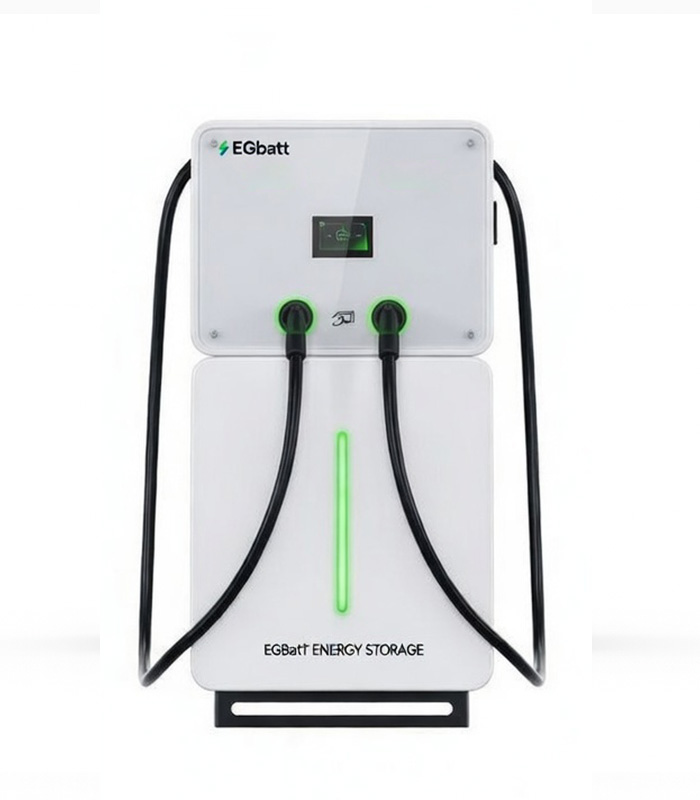
DC-Based ESS+Charger Systems
Integrated battery storage for grid capacity expansion
Ideal for sites with limited utility connection
Enables ultra-fast charging deployment without transformer upgrades
Maximizes renewable energy self-consumption
Campus Microgrid Solutions
Complete PV+ESS+charger+vehicle+network integration
Grid-forming capability for island mode operation
Time-of-use arbitrage for revenue optimization
Scalable from 1 MW to 100 MW+ installations
7.2 EGbatt Technology Advantages
| Feature | EGbatt Solution |
|---|---|
| Cooling | Advanced liquid-cooled cable systems |
| Software | AI-powered energy management with predictive optimization |
| Grid Integration | Load balancing, peak shaving, V2G ready |
| Modularity | Scalable from single to multi-dispenser configurations |
| Compliance | Full OCPP 2.0.1, ISO 15118, CharIN Testival validated |
7.3 Target Applications
Fleet Depots: EGbatt MCS solutions enable rapid overnight charging and opportunity charging during driver breaks, maximizing vehicle utilization for logistics operators.
Highway Corridors: Strategic deployment along TEN-T and major freight routes supports long-haul electrification with minimal downtime.
Industrial Sites: Mining, ports, and construction operations benefit from ruggedized MCS systems designed for harsh environments.
Public Transport: Bus depots and transit hubs gain ultra-fast turnaround capability for zero-emission fleets.
Chapter 8: Implementation Roadmap for Fleet Operators
Phase 1: Fleet Analysis and Duty Cycle Assessment (Months 1-2)
Analyze vehicle routes, daily distances, and idle windows
Calculate total energy demand (kWh/day) by vehicle class
Determine optimal charging power requirements based on turnaround needs -4
Phase 2: Site Assessment and Grid Planning (Months 2-4)
Conduct professional load calculation
Evaluate transformer capacity and upgrade requirements
Assess solar potential and battery storage opportunities
Consult with utility on interconnection timelines and costs -4
Phase 3: System Design and Financial Modeling (Months 3-5)
Determine vehicle-to-charger ratio (3:1 or 4:1 for medium utilization; 1:1 or 2:1 for 24/7 operations) -4
Model total cost of ownership including equipment, installation, grid upgrades, and maintenance
Calculate payback period and IRR under various utilization scenarios
Identify applicable incentives (NEVI, ITC, state rebates)
Phase 4: Permitting and Procurement (Months 4-7)
Submit permit applications to local authorities
Procure MCS equipment with 6-12 month lead times
Schedule grid upgrades with utility provider
Apply for federal and state funding programs
Phase 5: Installation and Commissioning (Months 7-12)
Deploy charging hardware with certified contractors
Install grid infrastructure upgrades
Commission systems with comprehensive testing
Integrate with fleet management software
Phase 6: Operations and Optimization (Ongoing)
Monitor utilization and energy costs via management platform
Implement predictive maintenance for 95-98% uptime -4
Optimize charging schedules for time-of-use arbitrage
Plan scalability for fleet expansion
Chapter 9: Frequently Asked Questions for Commercial Buyers
Q: What is the difference between MCS and CCS charging?
A: CCS (Combined Charging System) typically supports up to 350 kW for passenger vehicles. MCS is designed specifically for heavy-duty applications, supporting 1,000-3,500 kW with larger connectors, liquid-cooled cables, and different communication protocols -3-8.
Q: How much does a megawatt charging station cost?
A: Costs vary significantly based on configuration, grid requirements, and site conditions. A complete MCS installation including hardware, grid upgrades, and construction typically ranges from $1-3 million per charging point, with economies of scale for multi-dispenser sites -6-7.
Q: What is the payback period for MCS investments?
A: Real-world projects demonstrate payback periods of 5-8 years with IRR exceeding 12%, depending on utilization rates, electricity costs, and available incentives -2. High-utilization public stations can achieve faster returns.
Q: Do I need grid upgrades for MCS installation?
A: Almost certainly yes. MCS requires substantial grid capacity. However, DC-based ESS+charger systems can reduce required grid upgrades by buffering power from limited connections -9. Early utility consultation is essential.
Q: What incentives are available in 2026?
A: Major programs include:
NEVI Formula Program: $5 billion for US charging infrastructure -1
Federal ITC: 30% tax credit for solar+storage integration
SuperTruck Charge Initiative: DOE $68 million funding for high-power sites near ports and hubs, supporting up to 10+ MW power and 3 MW battery storage -6
Various state and local rebates
Q: Which vehicles can use MCS today?
A: While MCS is still in early deployment, major manufacturers including BYD, Volvo, Orange EV, and Xos are producing MCS-capable vehicles. The BYD Super e-Platform (March 2025) demonstrated 1 MW charging capability -1.
Q: How reliable are megawatt charging systems?
A: With proper preventive maintenance (quarterly inspections, cable checks, firmware updates) and remote monitoring, 95-98% uptime is achievable. Treat chargers like critical IT infrastructure with active management -4.
Chapter 10: Future Outlook (2026-2034)
10.1 Market Projections
The megawatt charging system market is poised for exponential growth -1-6:
2026: $0.99 billion - $164 million (varying definitions)
2030: $2.2 billion (TBRC)
2034: $3.03 billion (Fortune Business Insights)
10.2 Technology Evolution
Power Levels: Systems will scale from 1 MW to 3.5 MW and beyond, with DOE-funded projects exploring 10+ MW designs -6.
Integration: Seamless integration with renewable energy, battery storage, and AI-powered energy management will become standard -9.
Standardization: Ongoing harmonization between IEC and SAE standards will ensure global interoperability -3-8.
V2G Capability: Future MCS systems will support bidirectional power transfer, enabling vehicles to provide grid services -8.
10.3 Policy Drivers
EU Regulation 2019/1242 requires 30% emission reduction for new heavy vehicles by 2030 -7. The TEN-T regulation mandates 350kW+ charging every 60km along core networks -7. Similar policies in North America and Asia will continue driving demand.
Conclusion: The Megawatt Charging Imperative
Megawatt charging systems represent the technological foundation for heavy-duty transportation electrification. With market growth exceeding 20% annually, declining technology costs, and accelerating regulatory pressure, the window for strategic investment is now.
For fleet operators, early adoption enables:
Operational experience before competitors
Infrastructure lead times that extend 12-24 months
Incentive capture before program exhaustion
Brand leadership in sustainable logistics
EGbatt delivers future-ready megawatt charging solutions engineered for 2026 and beyond. From depot installations to highway corridors, our systems combine advanced liquid-cooled technology, intelligent energy management, and seamless grid integration to maximize fleet uptime and ROI.
Ready to electrify your heavy-duty fleet? Contact EGbatt today for a comprehensive site assessment, financial feasibility analysis, and customized MCS solution design.
[Contact EGbatt Now] — Power the future of logistics with 2026-ready megawatt charging infrastructure.
References
The Business Research Company. (2026). Megawatt Charging System Global Market Report 2026 -1
DG Matrix. (2025). Transforming Heavy-Duty Truck Charging with DG Matrix Power Router -2
EV Engineering & Infrastructure. (2026). CharIN announces publication of IEC TS 63379 for megawatt charging -3
Bolt.Earth. (2025). Fleet DC Fast Charging: Planning, Costs & ROI Explained -4
ANSI Webstore. (2025). SAE J 3271-2025 -5
Fortune Business Insights. (2026). Megawatt Charging System Market Size, Share & Industry Analysis, 2026-2034 -6
IEEE Xplore. (2025). Cost Analysis of Megawatt Charging and Overnight Charging for Battery Long-Haul Trucks -7
SAE Mobilus. (2025). J3271_202503: SAE Megawatt Charging System for Electric Vehicles -8
ANTARA News. (2026). Huawei Releases Top 10 Trends of Charging Network Industry 2026 -9
Transport Intelligence. (2024). Megawatt charging and its implications: Revolutionizing commercial EVs
