

2026 EV Charging Technology Trends: Megawatt Systems, V2G, VPP, and the Future of Commercial Electrification


Introduction: The Technology Revolution Reshaping EV Charging
The electric vehicle charging landscape is undergoing its most significant transformation since the first DC fast chargers appeared. While 2025 was defined by expanding networks and improving reliability, 2026 marks the year of technological leapfrog—where emerging innovations fundamentally change what's possible for commercial electrification .
According to Huawei's January 2026 "Top 10 Trends of Charging Network Industry" report, the sector remains in its "early stage of wave-based development" with immense room for growth . However, the technologies emerging now will define the next decade of transportation electrification. For commercial fleet operators, depot owners, logistics companies, and infrastructure investors, understanding these trends is not optional—it is essential for strategic planning and competitive positioning.
This comprehensive guide explores the highest-priority emerging technology trends for 2026, including megawatt charging systems, V2G integration, virtual power plants, DC-coupled storage architectures, liquid-cooled ultra-fast charging, grid-forming BESS, and the semiconductor and battery innovations enabling this transformation.
Chapter 1: Megawatt Charging Systems (MCS) – The Foundation of Heavy-Duty Electrification
1.1 The Megawatt-Scale Imperative
The electrification of heavy-duty transportation—trucks, buses, off-highway machinery, and marine applications—requires power levels far beyond existing DC fast charging infrastructure. While passenger vehicles can accept 30-60 minutes of charging, commercial vehicles with massive battery packs must minimize downtime to maintain operational schedules.
Megawatt Charging Systems (MCS) deliver 1,000 kW (1 MW) to 3.5 MW or more, enabling:
400 km (249 miles) of range in 5 minutes (BYD Super e-Platform, March 2025)
Rapid turnaround for logistics operations with tight schedules
Feasible long-haul electrification previously impossible with slower charging
1.2 2026 Market Dynamics
The global megawatt charging system market is experiencing explosive growth:
| Source | 2026 Market Size | 2030/2034 Projection | CAGR |
|---|---|---|---|
| The Business Research Company | $0.99 billion | $2.2 billion (2030) | 22.2% |
| Fortune Business Insights | $164.1 million | $3.03 billion (2034) | 44.0% |
North America currently leads the market, while Asia-Pacific is the fastest-growing region, driven by manufacturing leadership and aggressive electrification targets .
1.3 Standards Maturation
Two critical standards have reached key milestones in 2025-2026:
IEC TS 63379 (Published February 2026) : Defines connectors, vehicle inlets, and cable assemblies for conductive DC charging at megawatt power levels
SAE J3271 (Issued March 2025) : Provides comprehensive system-level specifications across electromechanical couplers, communications, cooling, use cases, and interoperability testing
CharIN "Testivals" continue validating MCS implementations with Advantics, Scania, and Stäubli, with upcoming sessions at the American Center for Mobility and European locations co-hosted with Milence .
1.4 Commercial Implications
For fleet operators, MCS enables:
Higher vehicle utilization through reduced charging downtime
Route flexibility previously impossible with range constraints
Future-proofed infrastructure aligned with emerging vehicle capabilities
Competitive advantage in an increasingly electrified logistics market
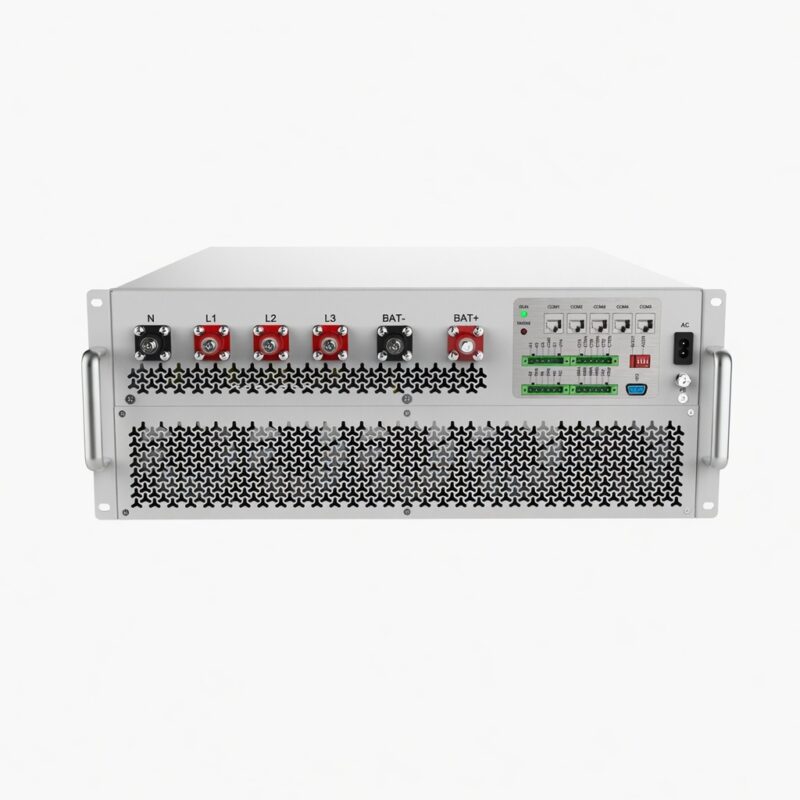
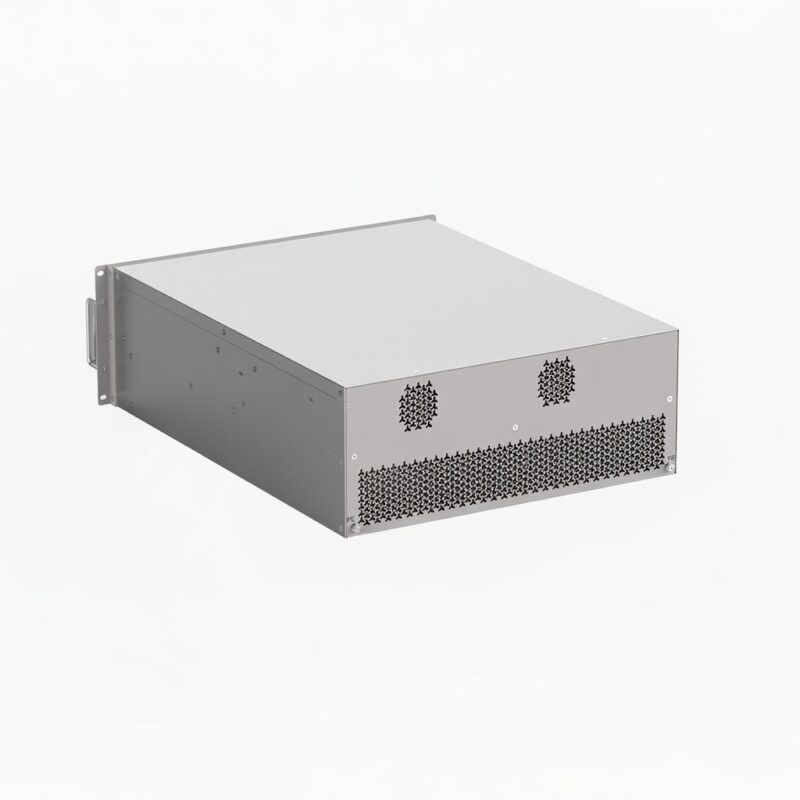
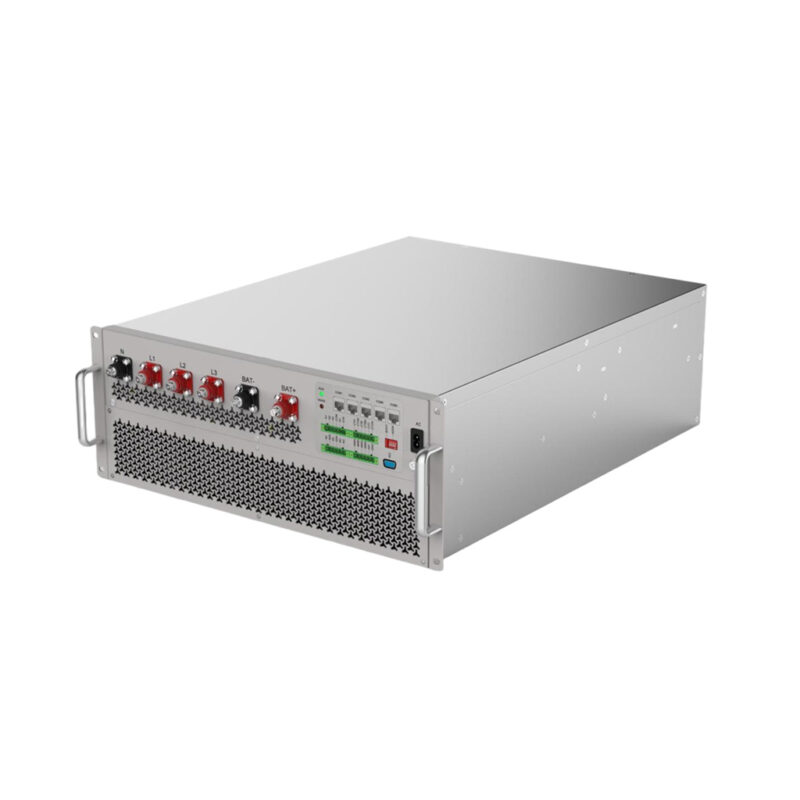


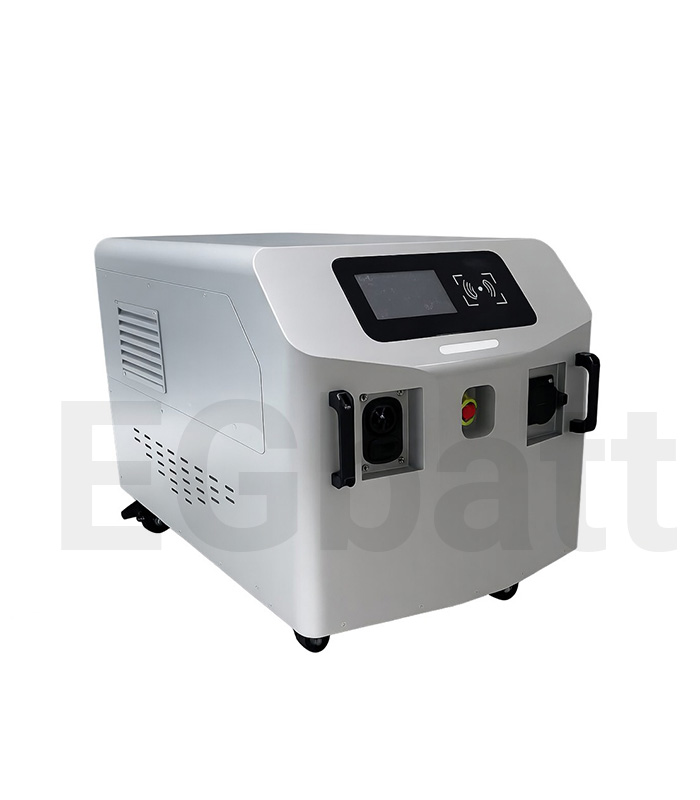
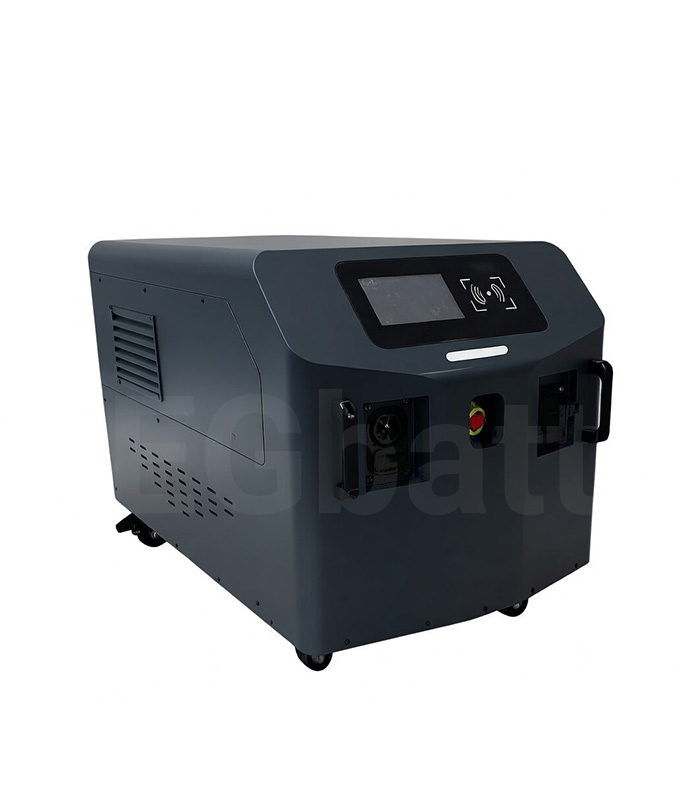
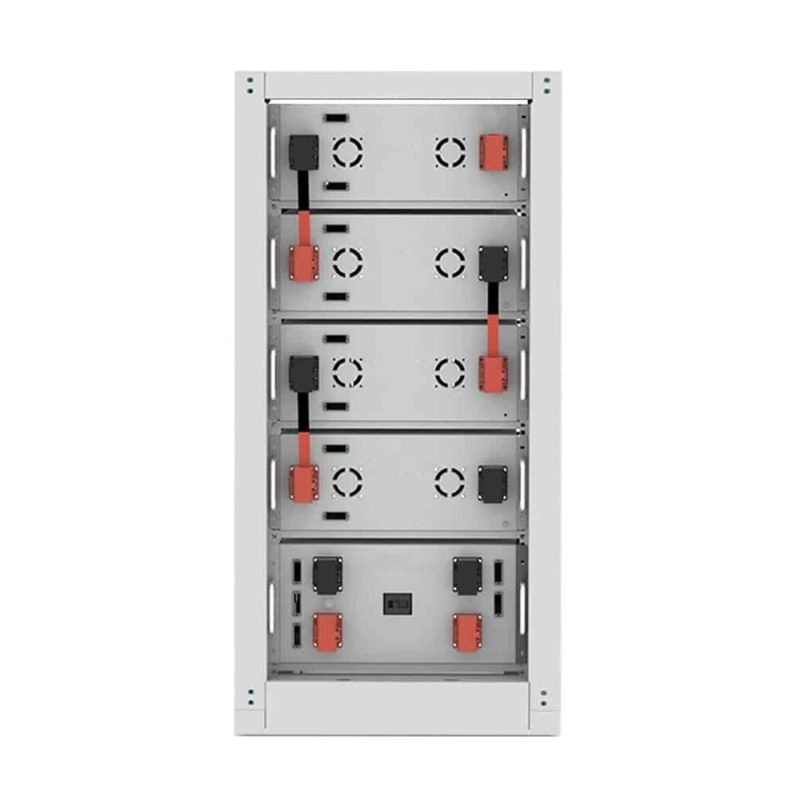
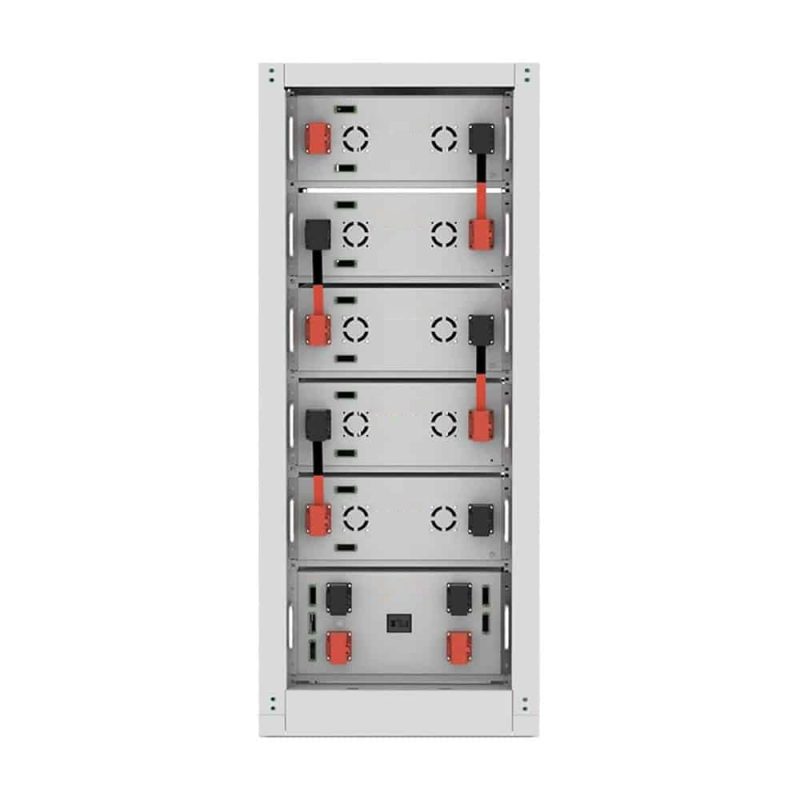
800V 200KWH high voltage lithium ion battery BESS


Chapter 2: DC-Based ESS+Charger – Solving Grid Capacity Constraints
2.1 The Grid Capacity Challenge
One of the greatest obstacles to commercial EV charging deployment is limited grid capacity. Many sites—particularly existing depots, retail centers, and urban locations—lack the transformer capacity to support multiple high-power chargers. Utility upgrades can cost hundreds of thousands of dollars and take 12-24 months.
2.2 The DC-Coupled Solution
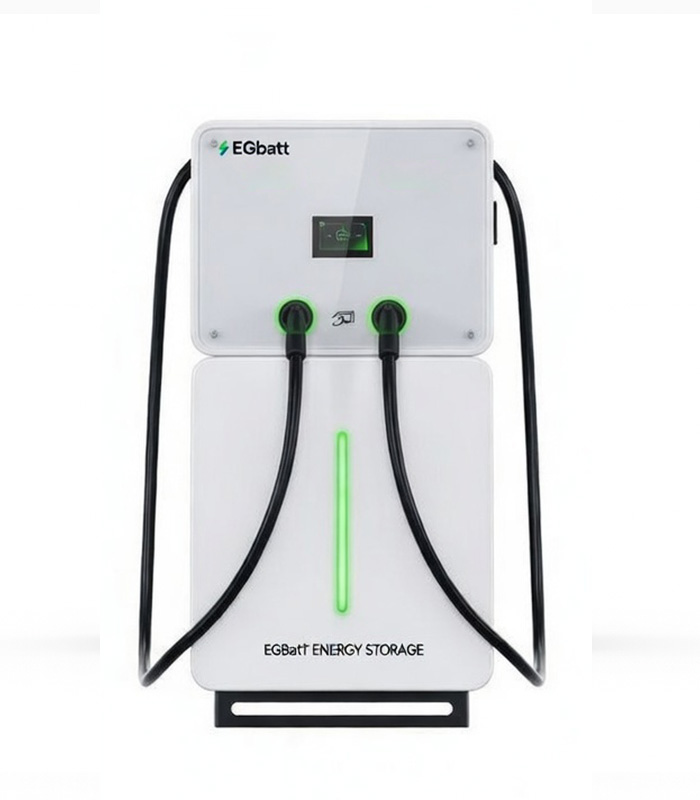
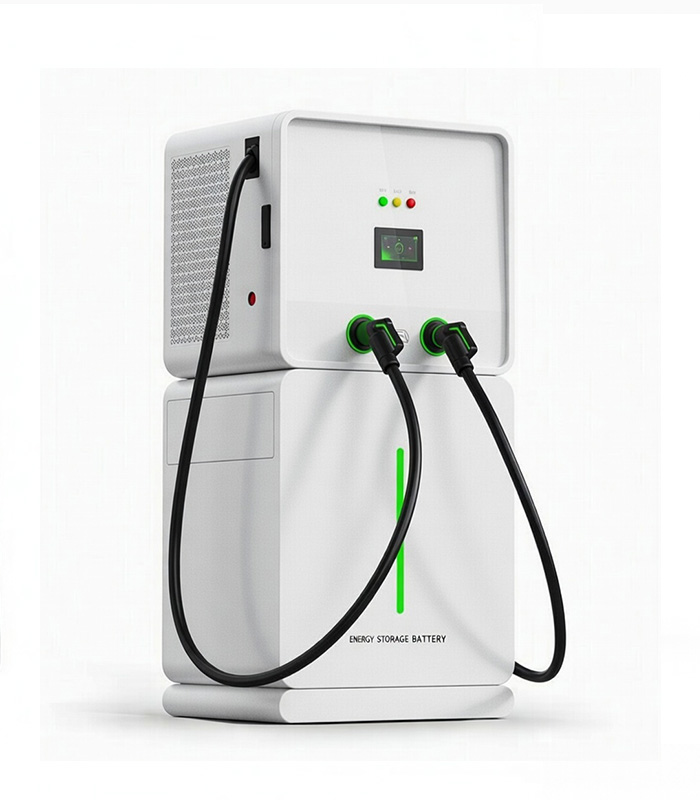
DC-based ESS+charger systems integrate battery energy storage directly on the DC bus, creating a fundamentally different architecture than traditional AC-coupled systems. According to Huawei's 2026 trends, this approach :
Effectively increases power capacity without utility upgrades
Enables rapid, low-cost deployment of ultra-fast charging stations
Ideal for low-capacity site retrofits where grid expansion is impractical
Maximizes vehicle charging with minimal grid draw
2.3 How It Works
In a DC-coupled configuration:
Solar PV (if present) generates DC power
Battery storage connects directly to the DC bus
Charging dispensers draw from the combined DC power pool
The grid connection charges the battery during off-peak periods
During peak charging events, the battery supplements grid power, keeping total grid draw within limits
2.4 Commercial Benefits
| Benefit | Impact |
|---|---|
| Avoided transformer upgrades | $100,000-$500,000 savings per site |
| Faster deployment | 3-6 months vs. 12-24 months for utility work |
| Peak shaving capability | 20-40% demand charge reduction |
| Solar integration | 70-90% self-consumption rates |
| Grid independence | Island mode capability during outages |
2.5 2026 Technology Advancements
Keysight Technologies launched the SL2600A Megawatt Charging Discovery System in January 2026, supporting up to 1,500 V/1,500 A to accelerate standards-compliant validation of DC-coupled systems .
Chapter 3: Liquid-Cooled Ultra-Fast Charging – Enabling Megawatt Power
3.1 The Thermal Management Challenge
As charging power increases, thermal management becomes critical. Traditional air-cooled cables and connectors cannot handle the heat generated by 1,000-3,500 A currents. At megawatt power levels, resistive losses generate enormous heat that must be managed to ensure safety and performance.
3.2 Liquid-Cooled Technology
Liquid-cooled ultra-fast charging uses circulating coolant to remove heat from cables and connectors, enabling :
Higher continuous current without overheating
Thinner, more flexible cables despite higher power
Protection against harsh environments (high temperature, humidity, salt fog, dust)
Future evolution toward vehicle-charger liquid cooling integration
3.3 2026 Adoption Trends
Huawei's trend analysis identifies liquid-cooled ultra-fast charging as essential for demanding environments and megawatt-class applications . Key adoption drivers include:
Highway service areas requiring reliable operation in all weather
Depot installations with high utilization rates
Public fast charging stations needing maximum uptime
Future 1,000V/800A systems exceeding air-cooled capabilities
3.4 Commercial Considerations
| Factor | Liquid-Cooled Advantage |
|---|---|
| Cable weight | 50-70% lighter than equivalent air-cooled |
| Durability | Superior protection against environmental factors |
| Power density | Higher power in same footprint |
| Total cost of ownership | Reduced maintenance, longer cable life |
Chapter 4: Grid-Forming BESS – The Next Generation of Energy Storage
4.1 Beyond Grid-Following
Traditional battery energy storage systems are grid-following—they rely on an external grid to provide voltage and frequency reference. Grid-forming BESS represents a fundamental advancement, capable of creating and stabilizing the grid independently.
4.2 Key Capabilities
Grid-forming inverters enable :
Black start capability: Restoring power after grid outages
Island mode operation: Running independently from the main grid
Grid stability services: Providing synthetic inertia and voltage support
High renewable penetration: Stabilizing grids with high solar/wind shares
4.3 2026 Market Context
According to Sungrow's WFES 2026 announcements, grid-forming BESS is essential for next-generation energy systems with high renewable penetration . For commercial customers, this technology enables:
True energy independence with reliable off-grid operation
Premium grid services revenue from stability markets
Resilience against increasing grid instability
Future-proofed infrastructure aligned with evolving grid requirements
4.4 Commercial Applications
| Application | Grid-Forming Benefit |
|---|---|
| Remote industrial sites | Complete grid independence |
| Critical facilities | Uninterrupted operations during outages |
| Campus microgrids | Seamless islanding and reconnection |
| Fleet depots | Resilient charging regardless of grid conditions |
Chapter 5: V2G (Vehicle-to-Grid) – Turning EVs into Revenue Assets
5.1 The V2G Concept
Vehicle-to-Grid (V2G) technology enables bidirectional power flow—EV batteries can not only charge from the grid but also discharge power back to it. This transforms electric vehicles from simple loads into distributed energy resources capable of providing grid services and generating revenue.
5.2 2026 Market Development
Chinese industry research highlights V2G as a key focus of the 15th Five-Year Plan period, with EVs evolving from "energy consumers" to "prosumers" that can sell power back to the grid . Key developments include:
Standardization: ISO 15118-20 enables Plug & Charge with bidirectional capability
Vehicle compatibility: Growing number of V2G-capable models entering market
Pilot programs: Utility-scale demonstrations in multiple regions
Regulatory frameworks: Evolving tariff structures for bidirectional energy flow
5.3 Commercial Revenue Streams
For commercial fleet operators, V2G creates multiple revenue opportunities :
| Revenue Stream | Description | Typical Value |
|---|---|---|
| Frequency regulation | Fast response to grid imbalances | $50-200/kW/year |
| Demand response | Reducing grid draw during peak events | $30-100/kW/year |
| Peak shaving | Discharging during high-tariff periods | Avoided demand charges |
| Energy arbitrage | Buy low, sell high | Varies by market |
| Capacity market | Guaranteed availability for grid needs | $5-20/kW/year |
5.4 Fleet-Specific Considerations
Fleet operators must balance revenue generation with operational requirements:
Guaranteed departure times: Vehicles must be fully charged when needed
Battery degradation: Managed through smart algorithms limiting depth and frequency of discharge
Telemetry integration: Coordinating with fleet management systems
Chapter 6: VPP (Virtual Power Plants) – Aggregating Distributed Energy Resources
6.1 What Is a Virtual Power Plant?
A Virtual Power Plant (VPP) aggregates multiple distributed energy resources—EV batteries, stationary storage, solar PV, flexible loads—into a unified, grid-visible asset that can participate in energy markets and provide grid services.
6.2 The Role of EV Fleets in VPPs
Commercial EV fleets are ideal VPP participants because:
Battery capacity: Fleet vehicles represent significant stored energy
Predictable schedules: Fleet operations follow consistent patterns
Scalability: Multiple vehicles can be aggregated for meaningful capacity
Managed charging: Centralized control enables coordinated response
6.3 2026 Market Dynamics
Chinese industry research identifies VPPs as critical infrastructure for the "十五五" (15th Five-Year Plan) period, enabling:
High renewable penetration through flexible demand
Grid stability with increasing distributed generation
Market participation for previously too-small resources
6.4 Commercial Benefits
| Benefit | Impact |
|---|---|
| Revenue diversification | Multiple grid service income streams |
| Reduced energy costs | Optimized charging against real-time prices |
| Grid support value | Compensation for flexibility |
| Sustainability reporting | Verified grid contributions |
Chapter 7: High-C-Rate Traction Batteries – Enabling Ultra-Fast Charging
7.1 The C-Rate Explained
C-rate measures how quickly a battery can be charged or discharged relative to its capacity. A 1C rate charges a battery in one hour; 4C charges in 15 minutes. Megawatt charging requires batteries capable of high C-rates—accepting massive power without damage or accelerated degradation.
7.2 2026 Technology Advancements
Huawei's trends highlight high-C-rate traction batteries as essential enablers for the "fuel-to-electricity" conversion of heavy vehicles . Key developments include:
4C-6C capability: Charging in 10-15 minutes
BYD Super e-Platform: Demonstrated 1,000 kW charging with 5C+ rates
LFP chemistry advances: High-rate capability with safety and longevity
Thermal management: Integrated cooling for sustained high-rate charging
7.3 Commercial Implications
| C-Rate | Charge Time (100 kWh) | Application |
|---|---|---|
| 1C | 60 minutes | Overnight depot charging |
| 2C | 30 minutes | Opportunity charging |
| 4C | 15 minutes | Highway fast charging |
| 6C | 10 minutes | Future ultra-fast corridors |
For fleet operators, high-C-rate batteries mean:
Faster turnaround for revenue-generating vehicles
Smaller batteries possible for same daily range
Reduced infrastructure needs through higher utilization
Chapter 8: Third-Generation Power Semiconductors – The Efficiency Enabler
8.1 From Silicon to Wide Bandgap
Traditional silicon power semiconductors are reaching their limits in efficiency, switching frequency, and thermal performance. Third-generation power semiconductors—silicon carbide (SiC) and gallium nitride (GaN)—offer revolutionary improvements.
8.2 Key Advantages
Huawei's trends identify third-generation semiconductors as critical for high-power charging infrastructure :
| Parameter | SiC/GaN Advantage |
|---|---|
| Efficiency | 2-3% higher than silicon |
| Switching frequency | 10x higher, enabling smaller components |
| Thermal conductivity | 3x better, reducing cooling needs |
| Voltage capability | 1,200V+ devices enable 800V+ architectures |
8.3 2026 Market Status
SiC adoption: Mainstream in premium EV chargers and traction inverters
Cost reduction: Declining prices accelerating adoption
800V architecture: Enabled by SiC devices
Megawatt charging: Impossible without wide-bandgap efficiency
8.4 Commercial Impact
For charging infrastructure:
Smaller, lighter chargers with same power output
Higher efficiency reducing electricity costs
Better reliability from reduced thermal stress
Future scalability to 3.5 MW and beyond
Chapter 9: 800V Architecture – The New Standard
9.1 Why 800V?
Most current EVs use 400V electrical systems. 800V architecture doubles voltage, offering multiple advantages:
Higher charging power for same current (P = V × I)
Reduced losses (I²R losses drop 75% at same power)
Lighter cabling from lower current requirements
Improved efficiency across entire powertrain
9.2 2026 Adoption Trends
800V architecture is rapidly becoming standard for:
Premium passenger EVs (Porsche, Hyundai, Lucid)
Commercial vehicles requiring fast charging
Future models across all segments
9.3 Charging Infrastructure Implications
For commercial charging sites:
Future-proofed chargers must support 800V+ vehicles
Compatibility requirements for mixed fleets
Efficiency gains from matching vehicle voltage
Megawatt charging requires 800V+ to manage current within limits
9.4 EGbatt 800V-Ready Solutions
EGbatt's 2026 product portfolio fully supports 800V architecture across:
DC fast chargers (150kW+ with 800V capability)
Megawatt charging systems (1,000-3,500V range)
Solar-integrated chargers with wide voltage range
Chapter 10: Campus Microgrids – The Integrated Energy Ecosystem
10.1 Beyond Standalone Charging
The ultimate expression of emerging technology trends is the campus microgrid—an integrated energy ecosystem combining:
PV generation (solar carports, rooftop arrays)
Battery energy storage (grid-forming capable)
EV charging (Level 2 to megawatt-scale)
Intelligent energy management (AI-powered optimization)
Grid interactivity (V2G, VPP participation)
10.2 2026 Technology Integration
Huawei's trends highlight campus microgrids as the convergence point for multiple technologies :
Grid-forming PV+ESS enabling island operation
Liquid-cooled ultra-fast charging integrated with storage
DC-coupled architecture maximizing efficiency
AI-powered networks optimizing all assets
10.3 Commercial Applications
| Application | Microgrid Benefits |
|---|---|
| Industrial parks | Energy independence, peak shaving, resilience |
| Logistics hubs | Reliable fleet charging, grid capacity expansion |
| Commercial campuses | Sustainability showcase, cost optimization |
| Remote facilities | Complete grid independence with renewables |
10.4 EGbatt Microgrid Solutions
EGbatt delivers complete campus microgrids incorporating:
Solar carport structures with high-efficiency PV
Grid-forming BESS with 6,000+ cycle LFP batteries
Megawatt-capable charging infrastructure
EGbatt Energy Management Platform with AI optimization
V2G-ready architecture for future revenue streams
Chapter 11: Commercial Implications and Investment Priorities
11.1 Technology Roadmap for Fleet Operators
| Timeline | Priority Technologies | Investment Rationale |
|---|---|---|
| 2026-2027 | MCS pilot, DC-coupled storage | Test megawatt charging, solve grid constraints |
| 2027-2028 | V2G deployment, liquid-cooled chargers | Revenue generation, future-proof infrastructure |
| 2028-2030 | VPP participation, grid-forming BESS | Scale revenue, achieve energy independence |
11.2 Risk Mitigation Through Technology
| Risk | Mitigation Technology |
|---|---|
| Grid capacity limitations | DC-based ESS+charger |
| Technology obsolescence | 800V-ready, liquid-cooled systems |
| Revenue uncertainty | V2G, VPP-capable infrastructure |
| Outage vulnerability | Grid-forming BESS, microgrids |
11.3 The 2026 Competitive Advantage
Early adopters of emerging technologies gain:
Operational experience before competitors
Infrastructure readiness as vehicles become available
Revenue diversification from grid services
Sustainability leadership with verified impact
Chapter 12: EGbatt Emerging Technology Solutions
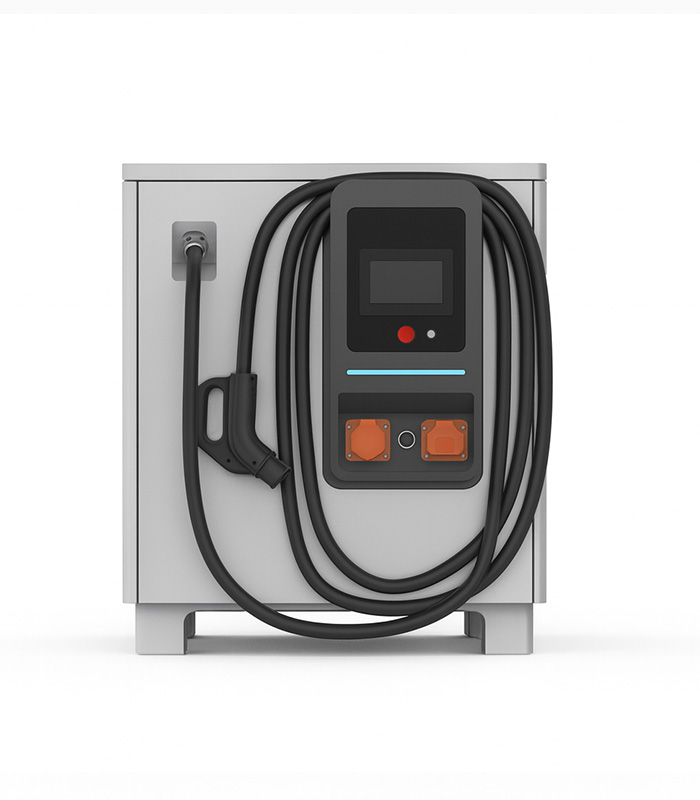
12.1 EGbatt Megawatt Charging Systems
EGbatt offers comprehensive MCS solutions aligned with IEC TS 63379 and SAE J3271:
Power output: 1.0 MW to 3.5 MW (scalable)
Voltage: Up to 1,500 V DC
Current: 3,000 A with liquid-cooled cables
Applications: Fleet depots, logistics hubs, highway corridors
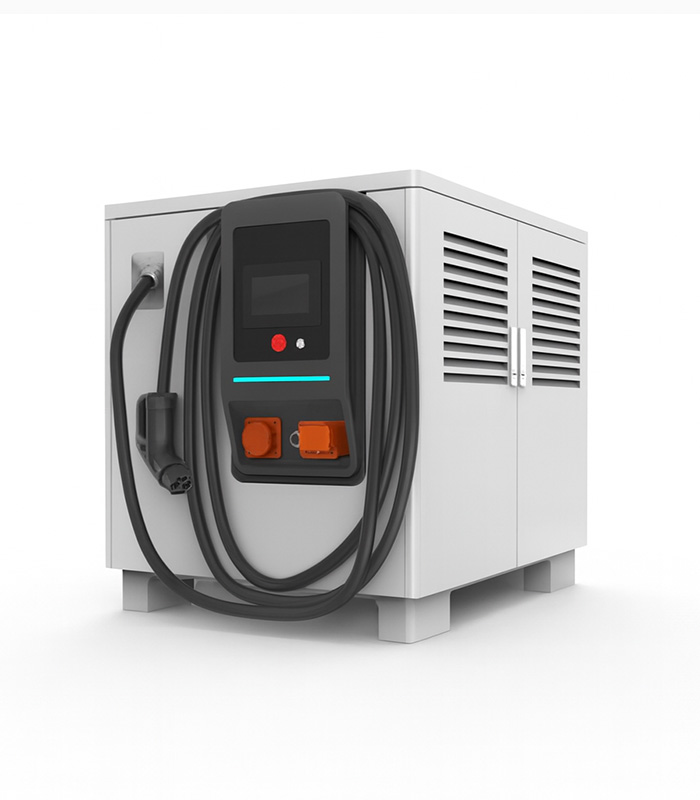
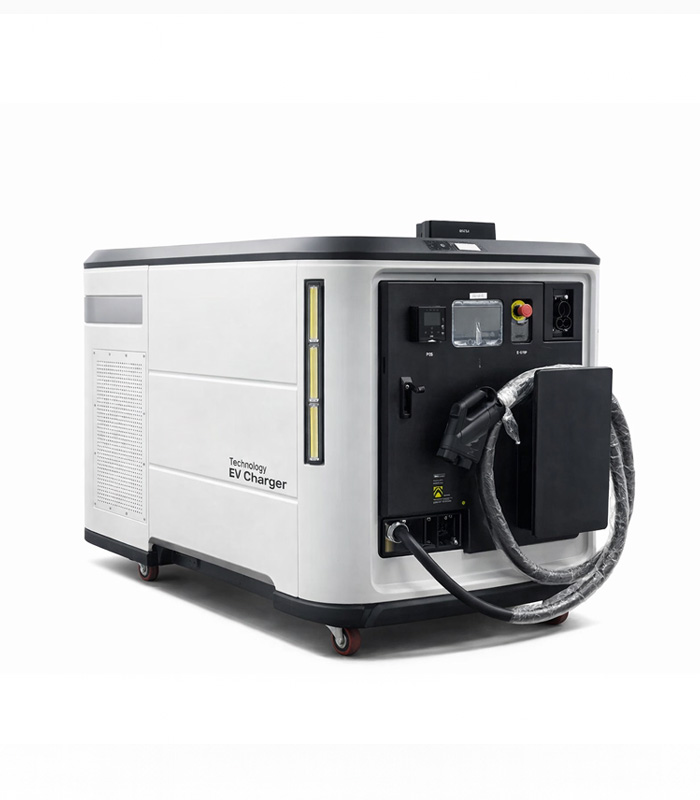
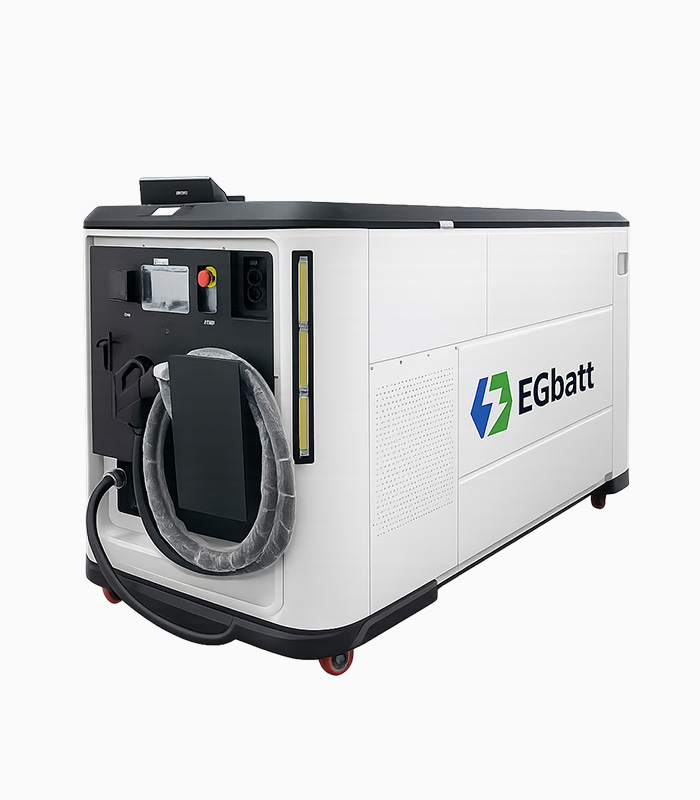
12.2 EGbatt DC-Coupled ESS+Charger
Integrated battery storage for grid capacity expansion
Enables ultra-fast charging without transformer upgrades
Maximizes renewable self-consumption (70-90%)
Ideal for site retrofits with limited grid connection
12.3 EGbatt Liquid-Cooled Chargers
Advanced thermal management for megawatt power levels
Lighter, more flexible cables for easier handling
Ruggedized for harsh environments (IP65, corrosion-resistant)
Future-proofed for vehicle-charger liquid cooling integration
12.4 EGbatt Grid-Forming BESS
True island mode capability for grid independence
Black start functionality for critical applications
Grid stability services for premium revenue
LFP chemistry with 6,000+ cycle life
12.5 EGbatt V2G-Ready Infrastructure
Bidirectional chargers supporting ISO 15118-20
VPP aggregation platform for grid service participation
Fleet-optimized algorithms balancing revenue and availability
Future-proofed for evolving markets
12.6 EGbatt Campus Microgrids
Complete integration of PV+ESS+charger+network
AI-powered optimization for maximum ROI
Scalable from 1 MW to 100 MW+
Grid-forming capability for energy independence
Conclusion: Embracing the Technology Revolution
The emerging technology trends of 2026 are not incremental improvements—they are fundamental transformations in what's possible for commercial electrification. Megawatt charging makes heavy-duty fleet electrification feasible. DC-coupled storage solves grid capacity constraints. V2G and VPP turn vehicles from costs into revenue assets. Grid-forming BESS enables true energy independence. Liquid-cooled technology makes megawatt power practical. High-C-rate batteries and third-generation semiconductors provide the foundation.
For commercial customers, the message is clear: the future is arriving faster than expected. Investments made today in future-ready technology will deliver returns for decades, while hesitation risks competitive disadvantage.
EGbatt stands ready to partner with forward-thinking organizations to deploy these emerging technologies. From megawatt charging systems to complete campus microgrids, our solutions are engineered for 2026 and beyond.
Ready to explore how emerging EV charging technologies can transform your business? Contact EGbatt today for a comprehensive technology consultation and customized solution design.
[Contact EGbatt Now] — Lead the electrification revolution with 2026's most advanced charging technology.
